
Sustainable Lighting for Eco-Friendly Homes
What’s the best way to let your home shine? Turn on the lights! If it’s important to you to reduce your home’s carbon footprint while creating ambiance with light, there are more options available today than ever before to help you incorporate eco-friendly and energy-efficient lighting solutions without compromising on style.
What Qualifies Lighting As Being Sustainable?
Being mindful of your lighting choices might not seem like it will make a difference to the environment, but when you consider that lighting consumes around 12% of all electricity worldwide, it’s easy to see how small choices add up. So what makes lighting sustainable (or not sustainable)?
Energy Efficiency
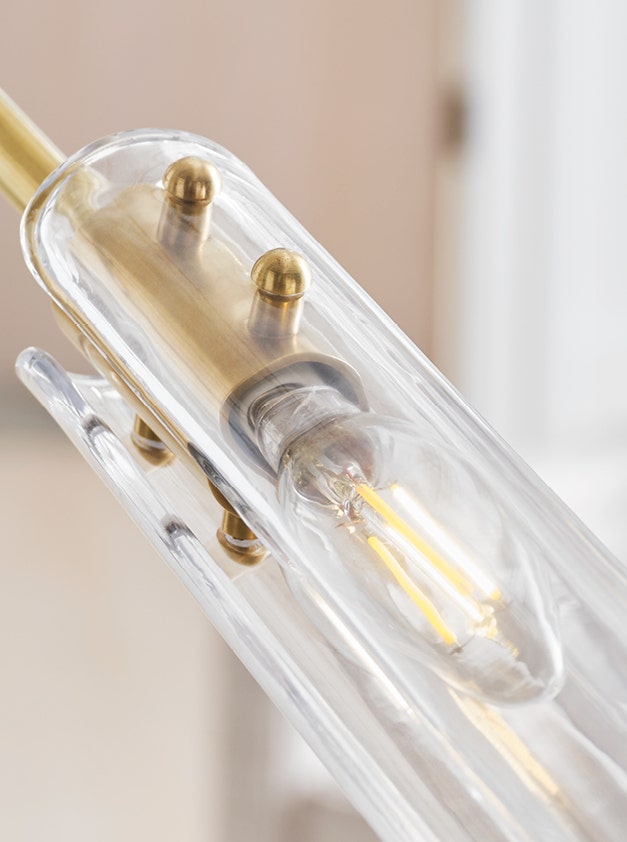
Using bulbs that are designed to be energy efficient is key. Modern lights such as light-emitting diodes (LEDs) use only a fraction of the energy of conventional bulbs – for instance, LEDs use 90% less energy than incandescents do. They also last longer, which means they generate less waste. As well, they do not emit greenhouse gasses.
Designed to Last Longer
It has been said that the best way to prevent waste is create less of it in the first place, by designing and manufacturing products that are designed to last for a long time – for instance, cloth dish drying towels rather than paper towels. The same is true for lighting fixtures. When you choose a high quality fixture that stands the test of time, you reduce the need for replacements, and ultimately reduce waste that might end up in landfills.
Low Toxicity and Recyclability
Sustainable lighting is also engineered to be recyclable, rather than thrown away. LED bulbs are made from materials that can be recycled, and they do not contain hazardous materials.
Benefits of Sustainable Lighting
Let’s get specific about the environmental benefits of lighting: how exactly can your lighting choices help the planet?
Reduced Carbon Footprint
A “carbon footprint” measures the amount of greenhouse gas that a person, product, company, or country emits into the atmosphere. It’s a way to determine how our activities and choices contribute to climate change. When you choose energy-efficient lighting, you reduce your carbon footprint. In fact, energy-efficient options are so important that the International Energy Association has said that rapid conversion to LED lighting solutions is key to reducing emissions.
Reduction of Hazardous Substances
Lighting that is made without the use of harmful chemicals is also better for the environment. This means no hazardous materials requiring proper and careful disposal are created during the manufacturing process and, further, if the fixtures and bulbs end up in landfills, the soil and groundwater will not be impacted by chemical leaching.
Lower Energy Bills
Sustainable lighting options are also a smart choice because they can help reduce the amount of money you pay on electricity every month. Because bulbs like LEDs use so much less energy than other bulbs, by making the switch you will see your electric bills go down.
Mitigation of Light Pollution
Last but not least, the right fixtures installed outdoors can help reduce light pollution – the brightening of the night sky caused by man-made sources, which disrupts the natural patterns of wildlife, the circadian rhythm of sleep for people, and your ability to see the stars and planets. If you install dimmer switches, motion sensors, and timers on floodlights or outdoor lanterns, you will help prevent light pollution.
Key Sustainable Lighting Technologies
LEDs are only the beginning of smarter, more sustainable lighting solutions. Read on to discover more options for use in and around your home.
Solar-Powered Lights
Light the way along sidewalks or show off your garden at night with the use of solar-powered stake or path lights. These can be placed along walkways or at strategic points in your flower beds to prevent slips and falls as well as accent beloved plants. Not only are they cost-effective, they also do not need to be hardwired into your home’s electrical system.
Dimmable Lights and Occupancy Sensors
Dimmers installed on lighting sources are another fantastic way to use less power, putting control of your energy consumption back in your hands. Occupancy sensors are, too: just as an outdoor floodlight will switch on when it detects motion and turn off a few minutes later, so will indoor occupancy sensors – making them a great solution for helping to light the way when you’re headed to the refrigerator for a midnight snack.
Smart Lighting Systems
Thanks to advances in technology, today’s whole-house smart lighting systems can also help reduce the environmental impact of your home. These systems can be programmed to adjust throughout the course of the day, dimming down or ramping up based on the hour or in automatic response to natural light coming in through your windows.
Low-Voltage Lighting
An ideal choice for landscape and accent lighting, low voltage lights use less energy than traditional options – around 20% of the energy required to power an incandescent bulb – but can still cast the same amount of light. They are also safer, since they don’t get as hot and have a lower risk of electric shock.
Fiber Optic Lighting
Also known as optical fiber lighting, this uses light pulses to send light along flexible glass or plastic fibers. Because the fibers are constructed of a core and cladding that traps light, it can travel long distances without losing its glow, similar to a neon tube. And because fiber optic lighting does not produce heat, it can be used underwater or near heat-sensitive materials.
Lifespan of Different Types of Light Bulbs
| Lighting Technology | Lifespan |
|
Incandescent Bulbs |
Approximately 1,000 hours |
| Halogen Bulbs | 2,000 to 4,000 hours |
| LED Bulbs | 15,000 to 25,000 hours or more |
| Solar-Powered Lights | 5 to 10 years, depending on the quality and maintenance |
| CFL Bulbs | 8,000 to 10,000 hours |
| Induction Lighting | 100,000 hours or more |
| T5 and T8 Fluorescent Tubes | 20,000 to 30,000 hours |
Incorporating Natural Light in Home Design
Maximizing Daylight
Put the sun to work for you! Through the strategic placement of windows, you can use natural light to illuminate the interior of your home. Simply opening your blinds and curtains during the day will brighten your living space, reducing the need for artificial lighting, and will also help heat your home. And if you choose to paint your walls a lighter color, it will leverage that natural light to make rooms appear brighter.
If you want to go farther, consider installing skylights or even light shelves, which bounce light deep into interior spaces. Or you can use light tubes, which employ a special lens to increase low-level light and lessen the intense rays of the noontime sun, channeling light along a highly reflective tube and through a diffuser that will distribute it evenly throughout a room.
Combining Natural and Artificial light
Once you have natural light as a base layer (or “ambient light”), providing light throughout a room, you can layer on task and accent lighting that comes from artificial sources.
Task lighting is used, first and foremost, to provide focused light on work surfaces or anywhere else that extra illumination is needed. Pendant lights are a great option, and they come in a wide variety of styles and finishes to coordinate with your décor. You can also consider track lights, which don’t take up much space overhead and can be adjusted to shine focused light in whatever direction you choose. And if you need a bit more brightness for kitchen countertops, to see clearly while you’re prepping and cooking meals, then under-cabinet lighting installed on its own switch will do the trick.
Accent lighting, on the other hand, lets you single out a single piece of artwork or architectural detail for special attention. Spotlights can be fixed to walls or ceilings, then angled to shine brightly wherever you want to draw the attention of anyone who walks into a room. Small spotlights can even be installed under shelves, to highlight collectibles or curios.
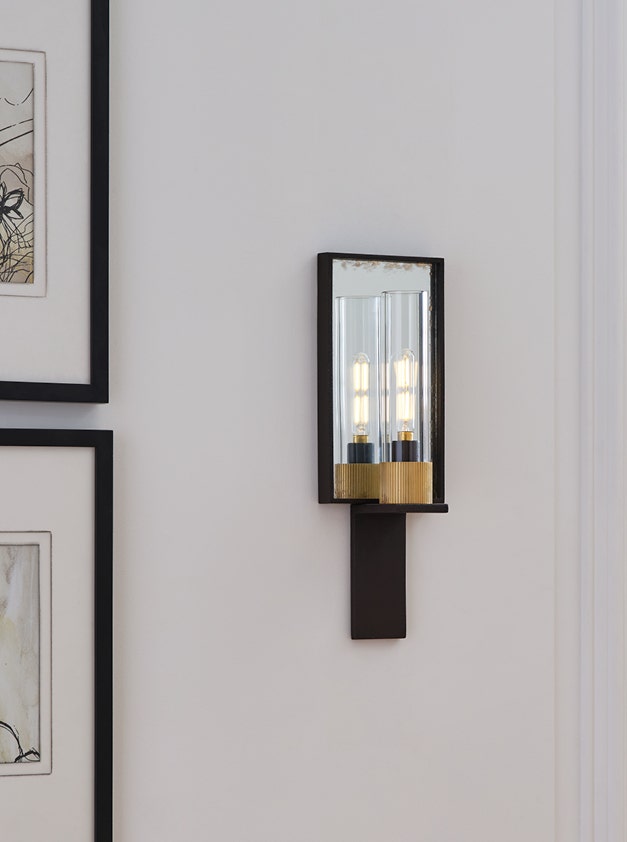
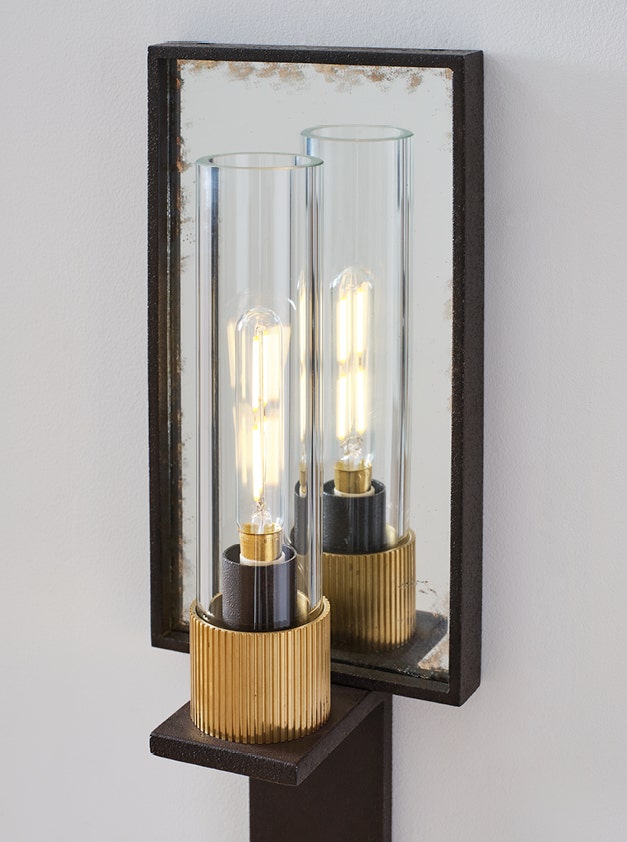
Wall sconces can also be installed on the wall above anything that you want to accentuate – a special painting, a mantel and fireplace, or a hallway mirror – while also adding a decorative element to the space. Because they become a key part of the room’s overall design aesthetic, helping bring a luxurious vibe to the space, be sure to select sconces that are either elegantly detailed or with clean and modern shapes, according to your design preferences.
And don’t forget lamps! A beautiful table lamp or floor lamp that matches your interior design style is perhaps the simplest accent lighting of all, as it simply needs to be plugged in and positioned where you want it.
Repurposing Lighting Fixtures
To reduce household waste further while using their creative muscles to create fun DIY artifacts, some homeowners repurpose old light fixtures as arts and crafts projects – especially for use in the garden. Some even scour flea markets and antique shops for old fixtures, then bring them new life.
For instance, you could take an old glass globe or lantern and fill it with fairy lights, to bring a soft and intimate glow to outdoor spaces. Or you could repurpose an old light fixture by inverting it and filling it with soil, to create crafty planters that spice up your landscaping.
The Future of Sustainable Lighting
Innovations in Sustainable Lighting Technology
The future of eco-friendly lighting is bright, with designers and manufacturers developing new technologies that will help reduce greenhouse gas emissions and unnecessary energy consumption even further. One such technology is organic light emitting diodes (OLEDs), which use organic, carbon-based compounds to produce light. OLEDs are currently used to create digital displays in televisions, computer monitors, and smartphones, because whereas traditional displays rely on red, green, and blue light to create pictures, OLEDs also add white light, enabling even more colors and richer images that are more true to real life. In the years to come, they could be developed for other, more general lighting purposes.
Predictions for the Future of Eco-Friendly Lighting
As more countries and cities are looking for ways to reduce their carbon footprint, we will also see a growth in “smart cities” that choose to regulate lighting. According to the Economist Impact, the German city of Düsseldorf decided to implement only energy-efficient lighting in shared spaces, as well as to use demand-based public lighting to bring light concentrated on streets and sidewalks – ensuring safety and security while also reducing light pollution. The city even installed sensors on some of the lights that can monitor traffic levels, and thus dim lighting as the number of cars on the road is reduced.
Lighting Your Home Sustainably, with Visual Comfort
When it comes to artificial lighting that will work hand in hand with natural daylight, and that can accept energy-efficient bulbs, we’ve got you covered. Start exploring our remarkable selection of lighting fixtures at visualcomfort.com.
FAQs
Is the quality of sustainable lighting as good as traditional, less-sustainable lighting?
Absolutely! Not only is the brightness of an energy-efficient light source as clear and strong as less sustainable options, but energy-efficient bulbs are also available in a variety of color temperatures – ranging from soft white to clean, clear light that is close to natural daylight.
What is the environmental impact of different lighting technologies?
When it comes to fixtures, look for high quality, well-made products that are designed to last – and less likely to end up in landfills. For bulbs, choose energy-efficient options like LEDs, which draw up to 90% less electricity than incandescent bulbs.
How do solar-powered lights perform in cloudy or rainy conditions?
Many solar-powered lights incorporate battery storage, so they can still shine in low-light conditions but will switch off when the sun is brightly shining.
Are there any government incentives or rebates for installing sustainable lighting?
If you’re lighting a business space, then there may be incentives available. The federal government and many local municipalities offer rebates to help offset the cost of installing energy-efficient lighting, reducing utility and maintenance costs. In some locations, rebate programs take the form of tax credits between 10% and 30%, which can sometimes be rolled over into multiple years.