
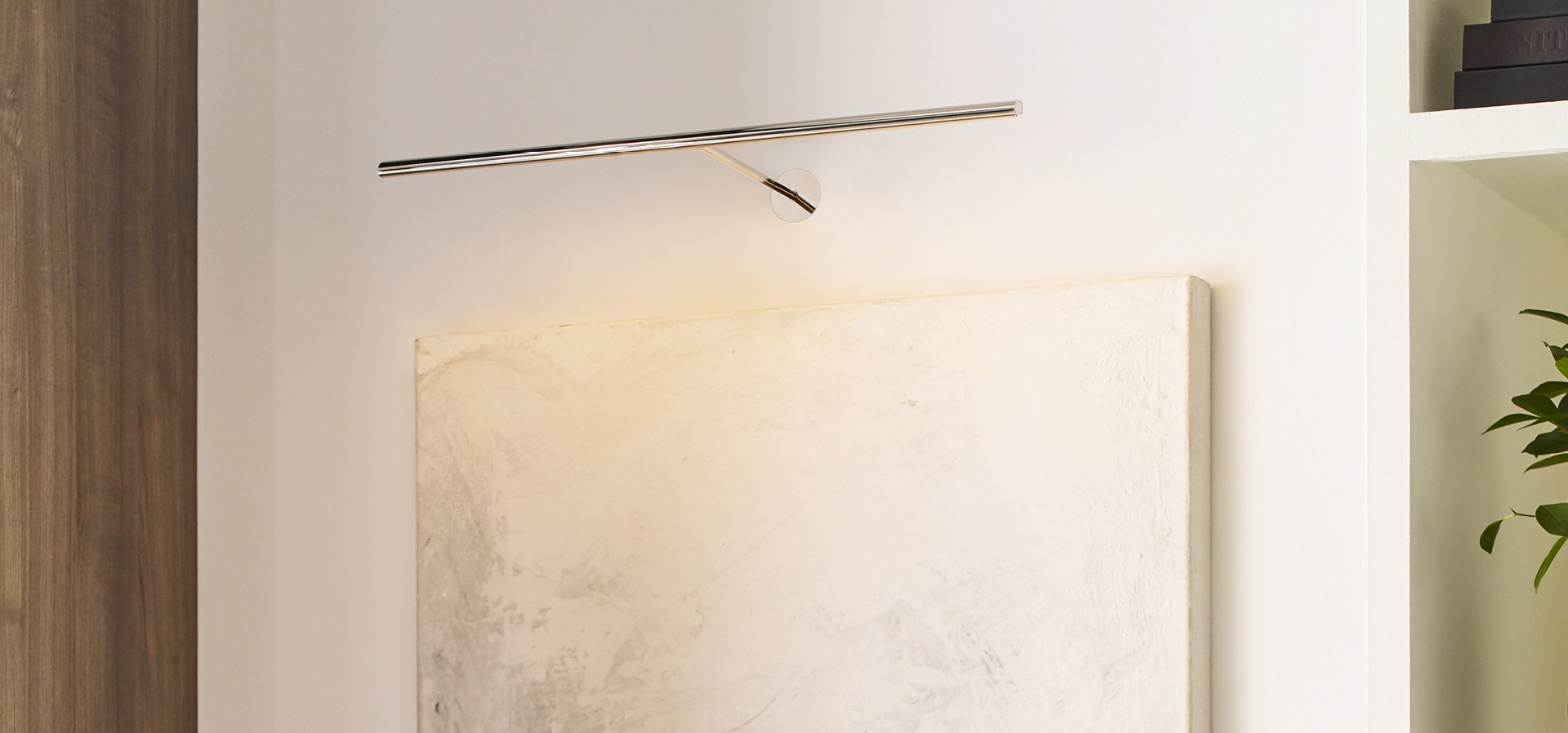
Showcasing Art With the Right Lights
Paintings depend on light. Whether they’re in process or on display, properly lighting paintings is crucial for showcasing their beauty and preserving their integrity. The right lighting enhances the colors, textures, and details of artwork, helping artists achieve their intent, and then helping us fully appreciate that intent. Without adequate lighting, a painting's vibrancy can be lost and subtle nuances may go unnoticed.
What’s more, correct lighting prevents damage; using the wrong type of light, such as those emitting too much heat or UV rays, can fade or deteriorate artwork over time. By carefully choosing and positioning lights, you can ensure that paintings are displayed to their best effect, while also preserving them for future generations to enjoy.
Types of Lights Available for Paintings
There are various options for illuminating paintings, each offering different benefits, and the best choice for you will depend on the specific needs of the artwork and the space. For example:
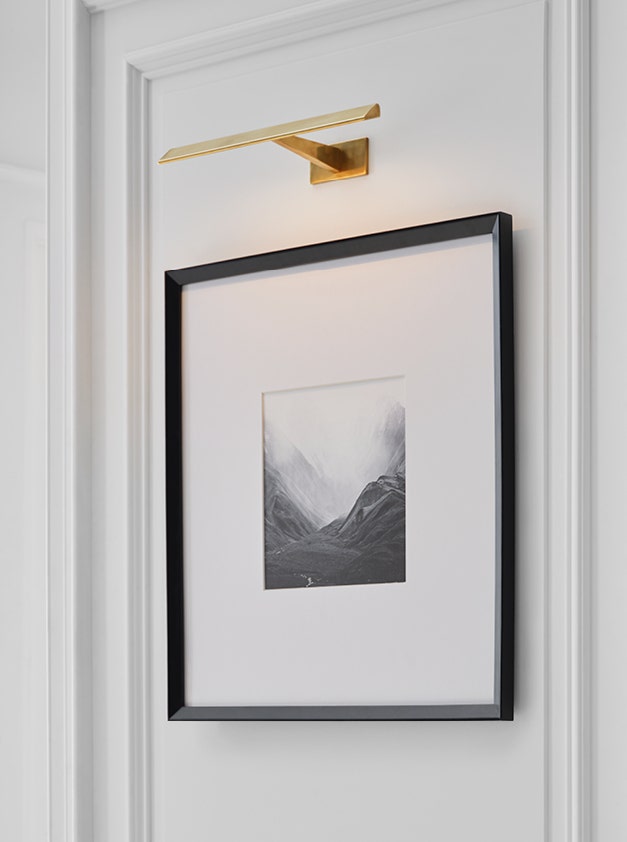
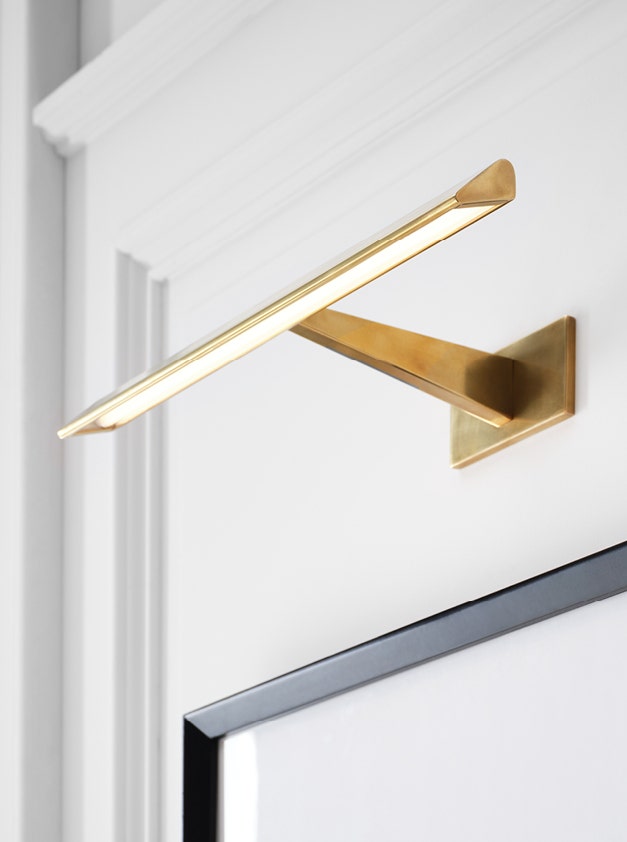
Picture lights: These are mounted directly above or on the frame of a painting. They provide focused illumination and come in various finishes to match the decor. Available in both wired and battery-operated versions.
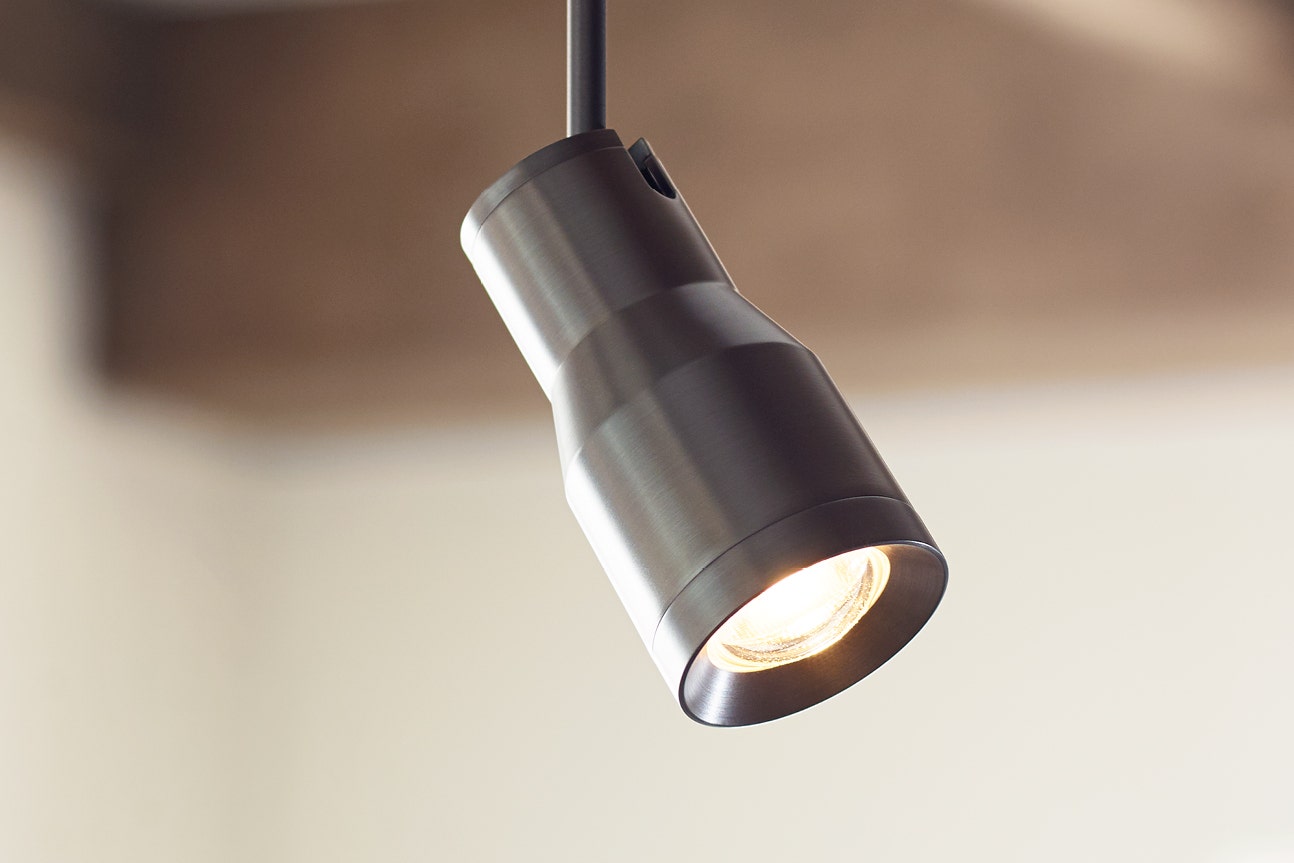
Track lighting: Flexible and adjustable, track lighting allows multiple lights to be directed at different angles, making it ideal for lighting a gallery wall or multiple pieces of art.
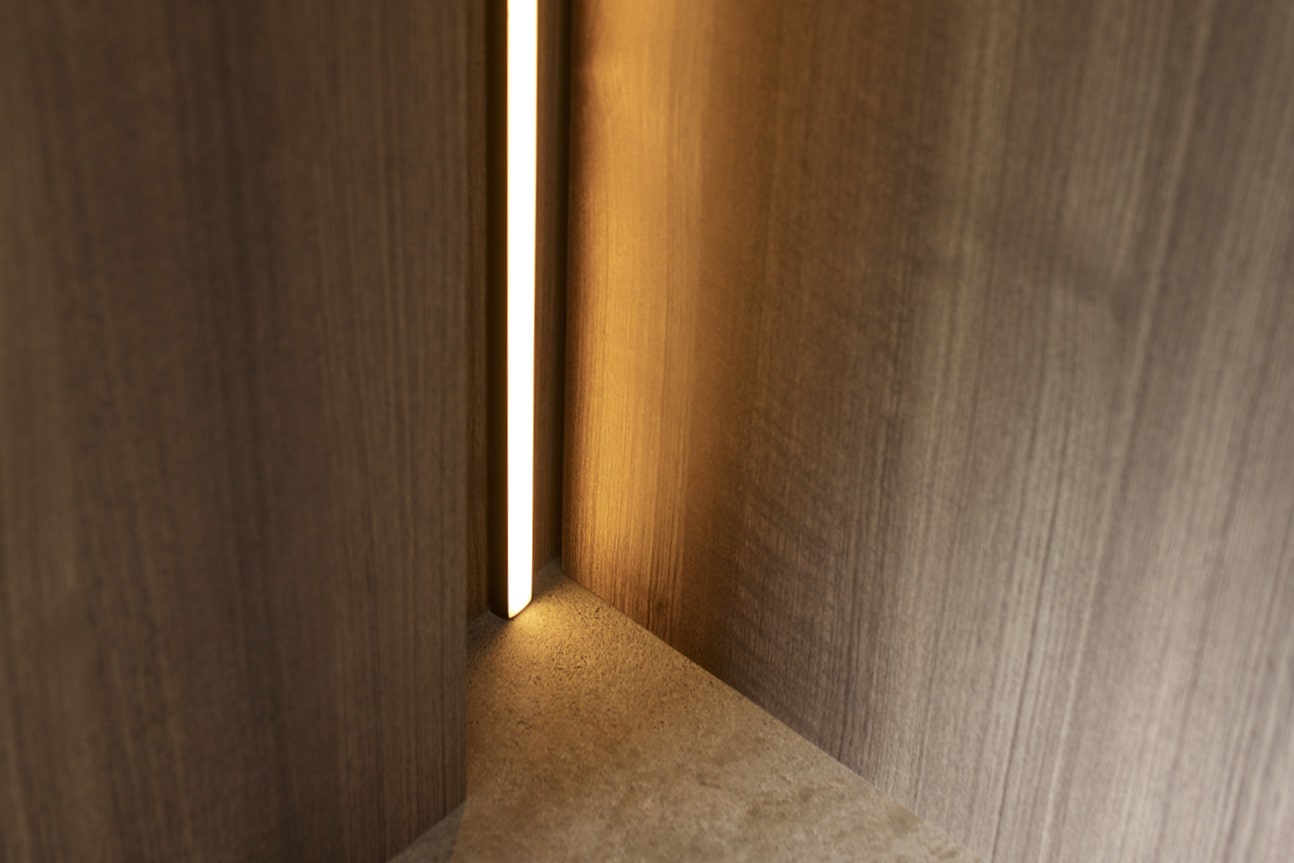
Wall washers: These lights are installed on the ceiling at a fair distance from the wall, providing broad, even illumination that "washes" the wall of shadows and imperfections. They’re ideal for highlighting large artworks or collections.

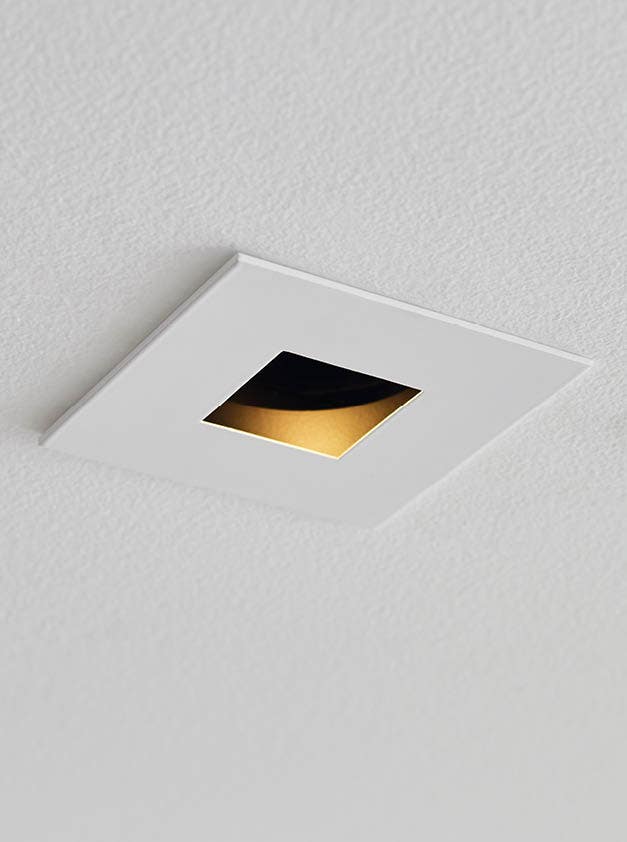
Recessed lighting: Installed into recesses in the ceiling, these lights offer a clean, modern look. They can be angled to direct light precisely onto a painting without taking up wall or floor space.
Clamp lights: These are adjustable and can be attached to surfaces near the painting, offering flexibility in directing light without permanent installation.
Choosing the Best Light for Your Art
The best kind of lighting for both the presentation and preservation of paintings is LED lighting. Here are a few reasons:
- Color accuracy: LEDs offer excellent color rendering, revealing the true colors of a painting without distorting them. This is crucial when making a painting, and no less crucial when displaying it.
- Low heat emission: Unlike incandescent or halogen bulbs, LEDs emit very little heat, reducing the risk of damage to the painting, such as warping or cracking, which can occur with prolonged exposure to heat.
- UV and IR protection: LEDs produce minimal ultraviolet (UV) and infrared (IR) radiation, both of which can cause fading and deterioration of art over time. This makes LEDs the safer option for long-term lighting.
- Energy efficiency: LEDs are energy-efficient, consuming less power and lasting much longer than traditional bulbs, which means fewer replacements and lower maintenance.
- Adjustability: Some LEDs are dimmable, allowing you to adjust the brightness to suit the painting without overpowering it or the space. They can also be found in various color temperatures (more on that below).
For artists and for art, accurate color rendering is critical. Using daylight-balanced bulbs (with a color temperature of around 5000K-6500K) simulates natural light, ensuring that colors appear true to life. This is especially important for nighttime painting or viewing. These bulbs help reduce eye strain and provide a consistent light source that doesn’t shift color perception.
Matching Lighting Style to Artwork Theme
Matching your lighting style to the artwork is an effective way to enhance the aesthetic impact of the area. Here’s how different light fixture styles can complement various types of artwork:
- Bronze fixtures, with their rich, warm tones and often intricate designs, are ideal for traditional or classical artwork. These fixtures enhance the timeless elegance of portraits, landscapes, and still lifes, adding depth and sophistication.
- Chrome fixtures offer a sleek, minimalist look that pairs perfectly with modern or contemporary art. The reflective quality of chrome enhances the clean lines and bold colors often found in abstract or modern pieces, creating a cohesive and stylish presentation.
- Brushed nickel fixtures, with their subtle shine and neutral tone, work well with transitional art that blends traditional and contemporary elements. They provide a balanced, understated look that complements diverse styles without overpowering the artwork.
- Matte black fixtures are a great choice for industrial or minimalist art. Their stark, simple design contrasts beautifully with the raw, edgy feel of industrial artwork or the clean lines of minimalist pieces.
- Antique brass fixtures bring a touch of nostalgia and charm to vintage or retro art. The warm, aged finish of antique brass enhances the character and history of vintage posters, retro advertisements, and other nostalgic pieces.
- Rattan or wood fixtures complement artwork with natural, organic themes or a bohemian aesthetic. These materials add warmth and texture, making them ideal for landscapes, botanical prints, or eclectic, free-spirited art.
Designer Lighting Tips for Studios
Leverage Lamps
Not all lights are fixtures. In fact, lamps are excellent at providing the precise lighting painters need to accurately see and work on their creations. Adjustable arm lamps are particularly popular, as they allow artists to direct light exactly where it's needed, whether focusing on intricate details or covering larger areas of the canvas.
Light for Versatility
For larger studios, track lighting allows multiple light sources to be directed at various angles. This is perfect where different areas might need different lighting intensities. You can adjust individual lights to highlight specific areas, such as the canvas, workspace, or reference materials.
Layer Light
Combining ambient lighting (general room light) with task lighting (specific to your painting area) creates a well-lit environment without harsh shadows. Ambient lighting ensures the entire studio is evenly lit, while task lighting focuses on your painting surface, ensuring you have the clarity needed for detailed work.
Designer Lighting Tips for Galleries
Emulate Daylight
As mentioned above, it’s best to use daylight-balanced bulbs (5000K-6500K) to maintain color accuracy, ensuring your art is seen in its best light.
Be Intentional About Placement and Angle
We recommend placing lights at a 30-degree angle to the artwork. This minimizes shadows and glare, reduces the risk of light reflecting directly back to the viewer’s eyes and evenly illuminates the painting.
Prioritize Preservation
Don’t neglect the importance of using UV-filtered lighting to protect the artwork from fading and deterioration. UV light can cause irreversible damage over time, so fixtures with UV protection are essential for preserving your artwork’s longevity.
Where to Start
Visual Comfort & Co. offers a vast array of solutions for lighting paintings. Whether you need something classical or rustic, and whether you’re the painter, the proud gallery owner, or both, you’ll find the lighting you need in our carefully curated collections. Start your exploration here.