
How to Create Focal Points Using Interior Design Techniques
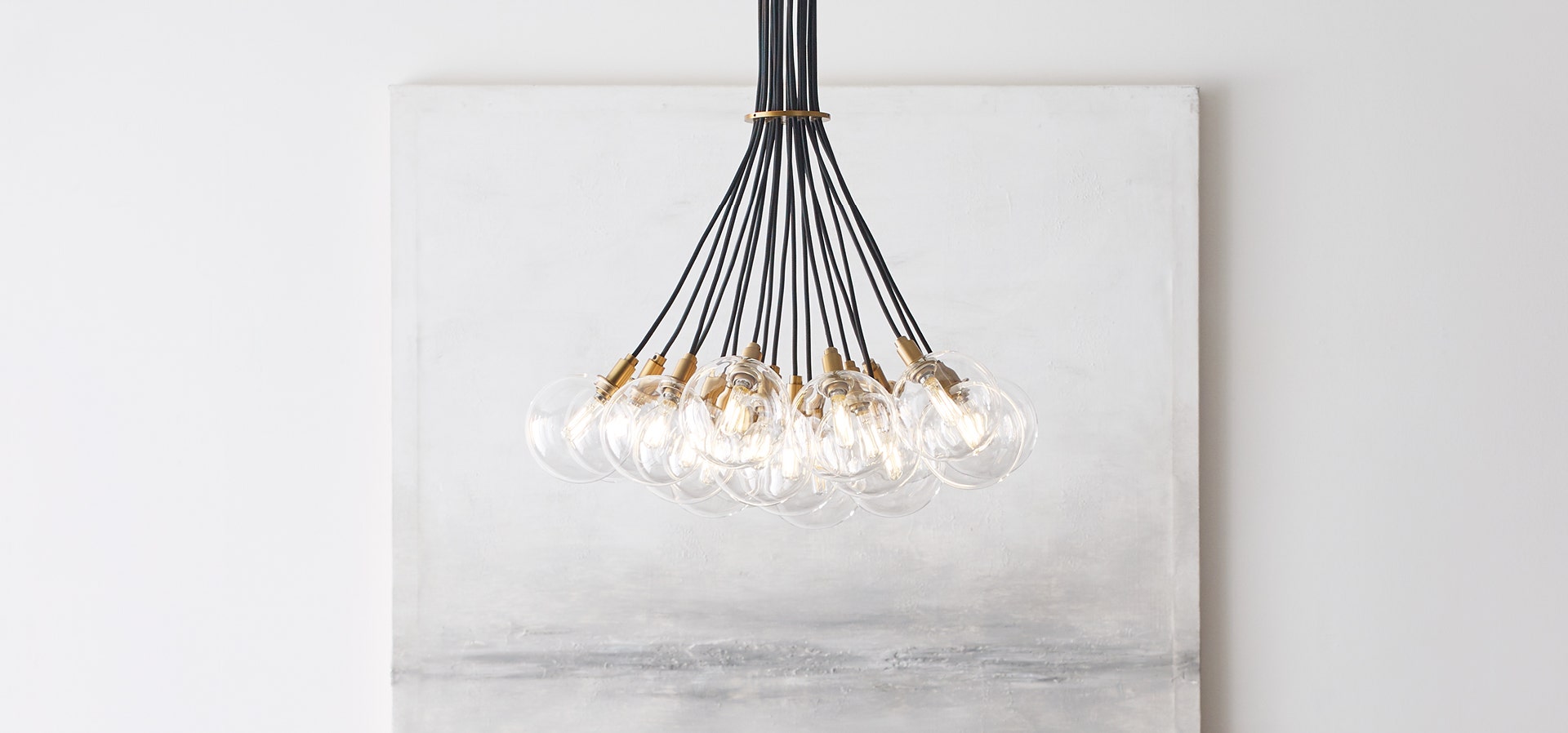
When you walk into a room, where does your eye naturally go? To a prominent piece of furniture or artwork, an accent wall, a kitchen island? This is known as the “focal point” of the room, and it’s there by design. In fact, creating a focal point for every room is one of the most important principles in interior design, and the right lighting can help it stand out. In this article, you’ll find inspiration for focal points and learn how to light them beautifully.
Interior Focal Point Examples by Room
Dining Rooms
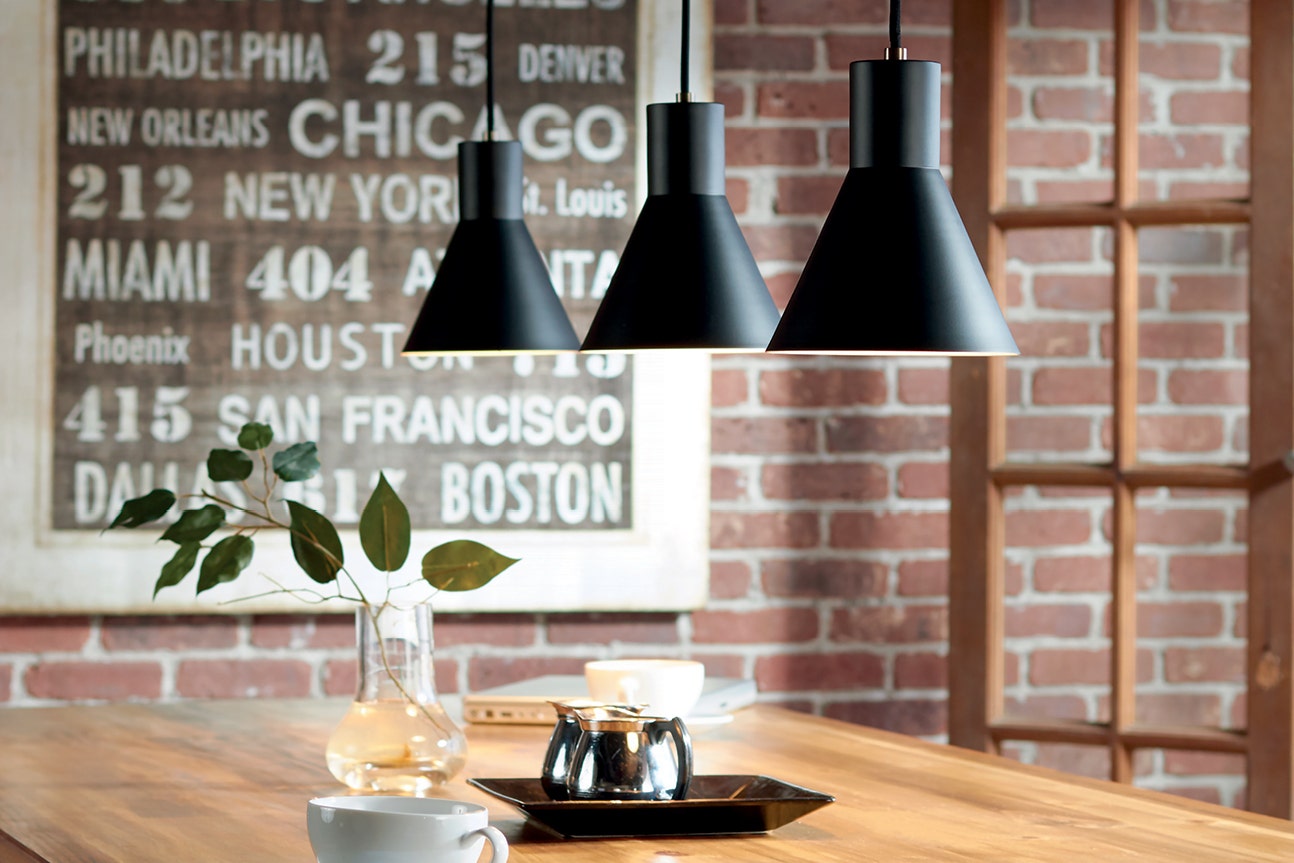
A large dining room table will act as a centerpiece and can be enhanced with embellishments like flowers and candlesticks that match your décor. Even a smaller table will still act as a primary focal point, creating an anchor for sitting down and enjoying time together with your family and friends. A chandelier is a lovely choice for lighting your dining room table, as well as bringing a luxurious look to the space. Pendant lights are a more modern option and very popular these days. Both chandeliers and pendant lights are available in many styles, sizes and finishes, so you can find one that coordinates with other interior design elements.
Living Rooms and Dens
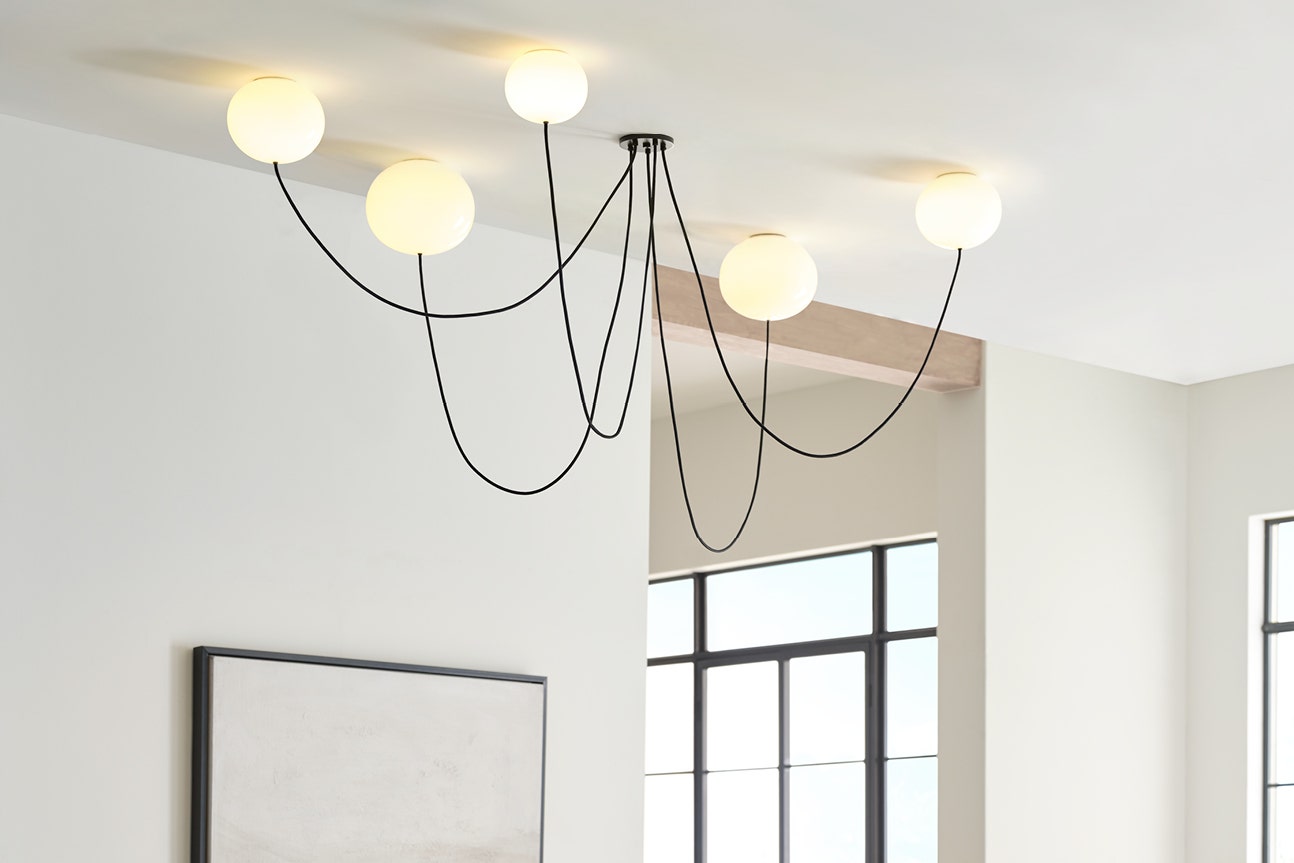
Attention-grabbing artwork is a wonderful focal point in a living room or den. Mount a picture light on the wall directly overhead or onto the frame itself, and you’ll be able to adjust it to the perfect angle. Be sure to pick one with a LED bulb, which will not emit UV rays that could damage paintings or photographs.
If you feel like turning one of the walls in your living room or den into a work of art, you can create an accent wall. This can be achieved by painting one wall a bold color, but you can also use patterned wallpaper or even a custom mural, and then use spotlights or recessed lights installed at the floor level to uplight the wall, creating a dramatic effect. Which wall should you choose? To create a focal point, use the wall that is farthest away from the entry to the room.
Bedrooms
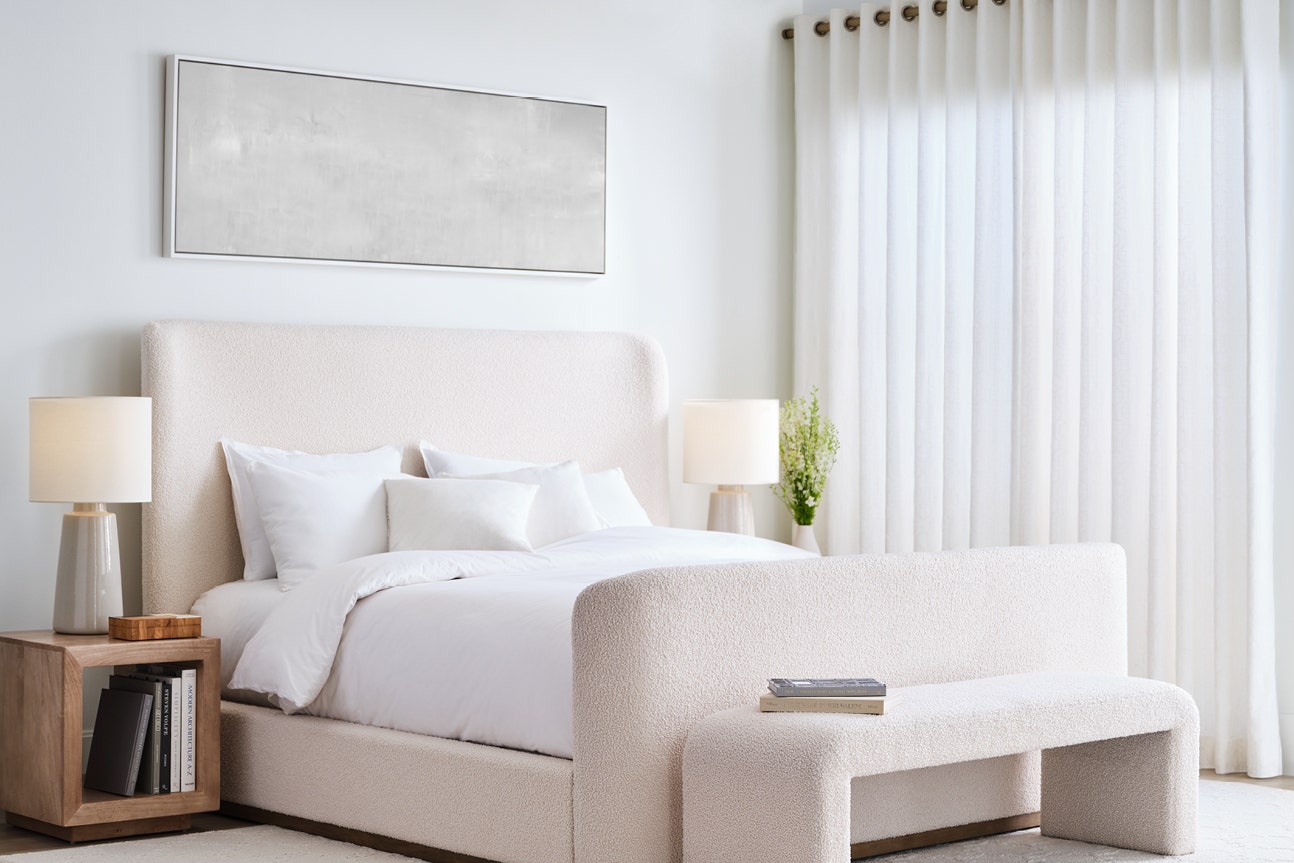
Your bed is an obvious focal point. A beautiful comforter or quilt and handful of throw pillows will help make it the focal point. When it comes to lighting, you can achieve an elevated look by installing wall sconces on either side of the bed, to draw the eye and provide light for bedtime reading. You can also place unique table lamps on your nightstands to frame the bed and show off your sense of style.
Kitchens
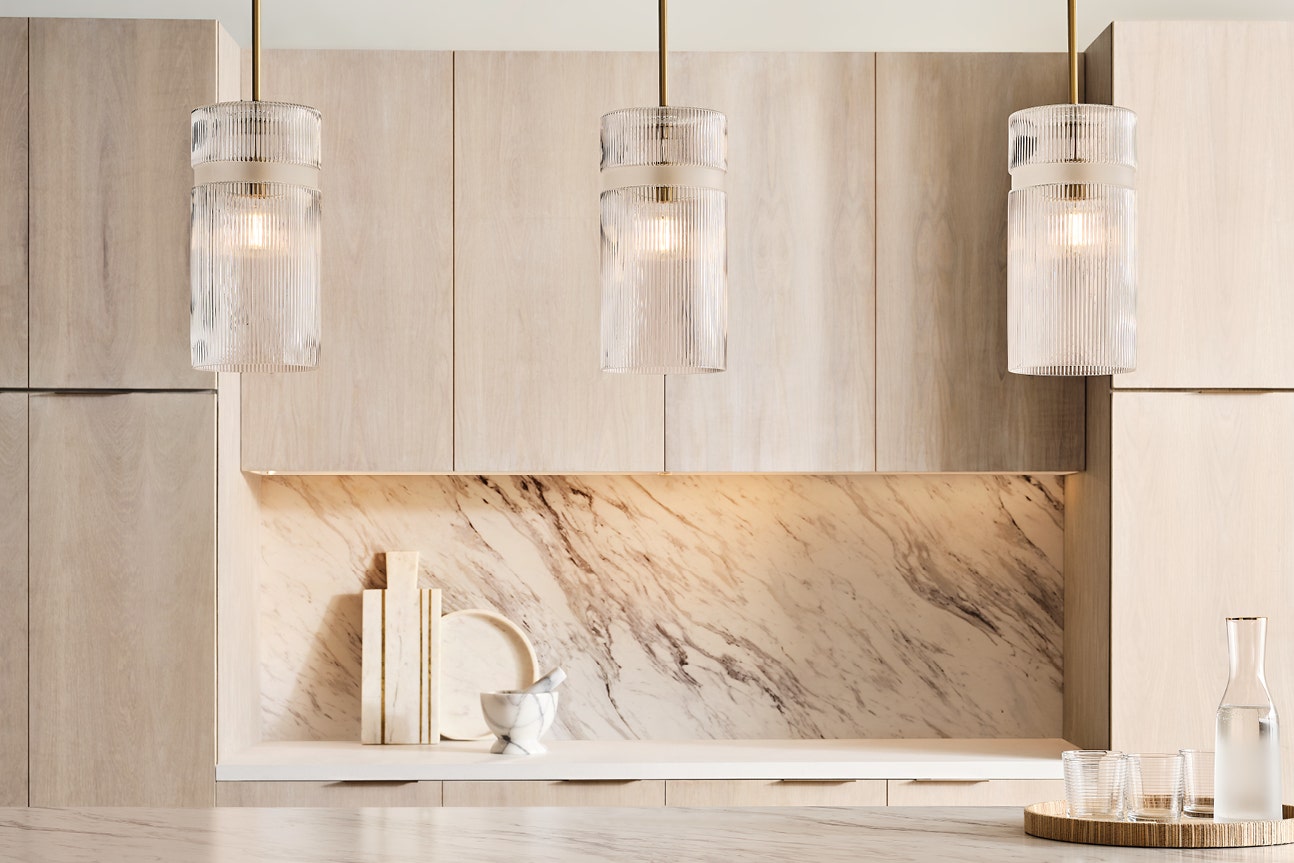
Kitchen islands are naturally a focal point, inviting people to gather around and lend a helping hand, enjoy a glass of wine, or just chat for a while. Pendant lights hung over the island will provide illumination and also draw attention to the island.
And what artwork does for the living room, a backsplash will do for your kitchen. It’s practical because it’s easier to clean than drywall when it comes to any mess created while cooking, but it will also capture the attention of anyone who enters. Choose a backsplash with a daring color or statement pattern of tiles to create a focal point, then light it up with under-cabinet lights that will not only help make it a feature, but also make it easier to see when you’re prepping a meal.
Entryways
Your entryway should be welcoming. Hang a mosaic of photographs on the wall to introduce people to your family, travels, and special life moments as they enter, and light the photos with a series of adjustable spotlights. When you direct the lights at the perfect angle, they should not create hotspots or glare off of the glass and frames.
Libraries
Display your book collection in style. Wall sconces are an excellent design touch, since they provide general lighting, add ambiance, and can help frame and define shelving. Another way to highlight books, photos or collectibles on shelves in your library is by installing shelf lights underneath the shelves that cast a warm glow on the items below.
Home Bars
Pendant lights are one of the most common choices for home bars. They come in a variety of shapes and colors, with multiple cord and bulb types to select from, so you can choose fixtures that help create the mood you’re shaping in your bar — whether quiet and relaxed or bright and lively. LED lighting strips, mounted under cabinets and shelves, are also growing in popularity for home bars. They are simple to install and will also help set the atmosphere.
Interior Design Mistakes to Avoid in Focal Point Lighting
Overloading a Space with Focal Points
Having too many focal points in one space can be overwhelming. Even if you have an eclectic design style with a lot of colors, patterns, and textures on display, your room will be more visually appealing if you choose one feature to highlight and make sure that it harmonizes with the other décor. Think about the first impression you want to create when someone walks into the room, and then focus on a focal point as a key element.
Failing to Adapt to Room Function
Different rooms require different focal point strategies. For instance, a kitchen’s focal point should be geared toward cooking, a dining room’s toward eating together, and a bedroom’s to closing out the day in a peaceful and nurturing way. Ensure that the room’s focal point aligns with its purpose.
Using Inappropriate Lighting
Insufficient or overly harsh lighting can diminish the impact of a room focal point's impact. When you are setting up your lighting, take a step back and look at the effect it creates, to make sure that you’ve found the proper illumination level.
Ignoring the Importance of Light Temperature
The bulbs you choose for lighting are just as important as the fixtures. Light bulbs are available in a range of color temperatures – the lower ranges provide a warm white light, which is great for relaxation, while higher ranges are closer to daylight and better suited for alertness in kitchens and home offices.
Focal Point Lighting Cheat Sheet
We’ve put together a cheat sheet of interior design elements, how they work, their relation to the focal point, and best practices to help you as you’re creating the perfect focal point and atmosphere for any room.
| Interior Design Element | Overview | Relation to Focal Point | Best Practices |
| Space | The foundational element of any room. Consider both positive (filled) and negative (empty) spaces to create balance. | Effective use of space directs attention to the focal point, ensuring it stands out within the layout. | Maximize natural light, avoid overcrowding, use furniture to define areas. |
| Line | Guides the eye and creates form through vertical, horizontal, and dynamic lines in architecture and furniture. | Lines naturally lead the eye towards the focal point, emphasizing its importance. | Use vertical lines for height, horizontal lines for stability, and dynamic lines for movement. |
| Form | The shape of the room and objects within it, contributing to harmony and contrast. | Forms around the focal point should complement and highlight its shape. | Balance different shapes, mix organic and geometric forms, and ensure scale harmony. |
| Light | Essential for visibility and setting the mood, including natural and artificial lighting. | Lighting highlights the focal point, making it the center of attention. | Layer lighting, use dimmers, and maximize natural light. |
| Color | Influences mood and aesthetic appeal, creating harmony or contrast within a space. | Color contrast and accents can draw attention to the focal point. | Use a color palette, balance warm and cool tones, and use pops of color to create accents. |
| Texture | Adds depth and tactile interest, balancing smooth and rough surfaces. | Textures can frame the focal point, enhancing its visual impact. | Mix textures, use textiles for softness, and incorporate natural elements. |
| Pattern | Enhances visual interest through repetitive designs in fabrics, wallpaper, and decor. | Patterns can direct the eye towards the focal point and create a cohesive design around it. | Use patterns sparingly, mix scales, and always maintain a theme. |
Ready to Find Fixtures?
Once you’ve set up your focal point in a room, explore lighting options on visualcomfort.com — you’ll find fixtures that will help it stand out and set the right mood for the space.
FAQ
How do I identify a focal point in my room?
Think about the first impression you want people to have when they walk into the room. Consider its architectural elements, such as a large window, unique wall, or fireplace. Take into account the room’s purpose and arrange furniture to emphasize the central element. Use color, contrast, and distinctive pieces to draw attention to the focal point.
What types of lighting are best for highlighting focal points?
It depends on the room’s function and its focal point! Chandeliers and pendants look amazing over dining room tables, wall sconces will help frame a bed’s headboard, and spot lights or recessed lights will light up an accent wall.
Can lighting create a focal point in an open-concept space?
In open spaces, lighting can help draw attention to a specific element or feature in the room. The focal point can be created with an elegant chandelier, unique lamp or modern pendant lights.
How do I balance functional and decorative lighting?
Layer lighting from a mix of sources. For most spaces, a three-tiered plan creates an ideal balance: ambient base lighting gives general illumination, secondary task lighting provides focused illumination for key work areas and traffic paths, and accent decorative lighting provides an artistic touch.
How do I use lighting to emphasize architectural features and artwork?
Use brighter lights with beams that can be directed to create points of focus, with gradual dimming toward the edges of the room. Not only will this draw the viewer’s attention where you want it, but it also gives a sense of drama to the room. If you’re lighting artwork, be certain to choose lights with LED bulbs: not only do they use less energy than traditional bulbs, they will also not emit harmful UV rays that can damage artwork.
Are there any common mistakes to avoid in focal point lighting?
Lighting too many focal points in one room is a common mistake, and can create visual overload. Another is not choosing lighting that fits the room function: bright and clear for work spaces, calm and warm for relaxation areas.