
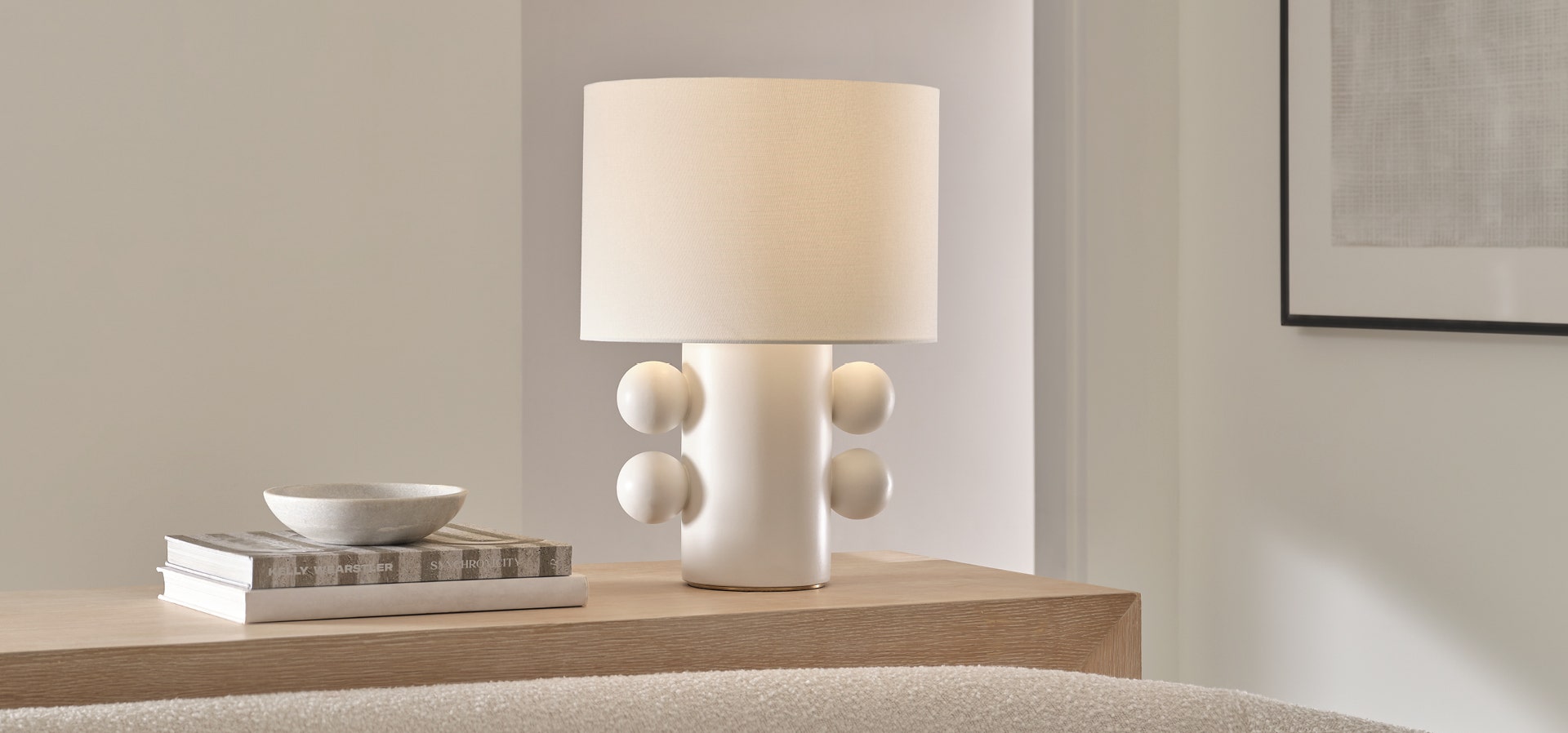
Home Lighting Design Tips for a Welcoming and Warm Space
If you’re looking to elevate your home’s ambiance through smart lighting design, you’re in the right place. Lighting not only has a big impact on functionality and aesthetics, it can even influence your emotions and sense of well-being. The trick is to choose lights that complement the rest of your décor and provide adequate illumination.
How to Create a Cohesive Lighting Design Plan for Your Entire Home
To start, you want to assess each room’s purpose and key activities. Will you be entertaining in your living room, or using it more for quiet nights reading and watching television? Are you a home chef who loves to create dishes from scratch in your kitchen, or are you more of a heat-it-and-eat-it family? Understanding how you’ll use each room will help you implement some of the room by room lighting tips below.
Next, identify sources of natural light and how they will impact brightness throughout the day. If you have large windows that let in a lot of sunlight, then you don’t need to worry so much about ambient light during the daylight hours.
And then sketch out each room, identifying areas of activity, workspaces, seating areas and even furniture placement. This will help you strategize what kind and amount of light you want, and where you want it.
Layering Lighting in Your Home
When making a home lighting plan, think in terms of three “layers” of light, and aim to have them work together in beautiful harmony.
Ambient Lighting in Home Design
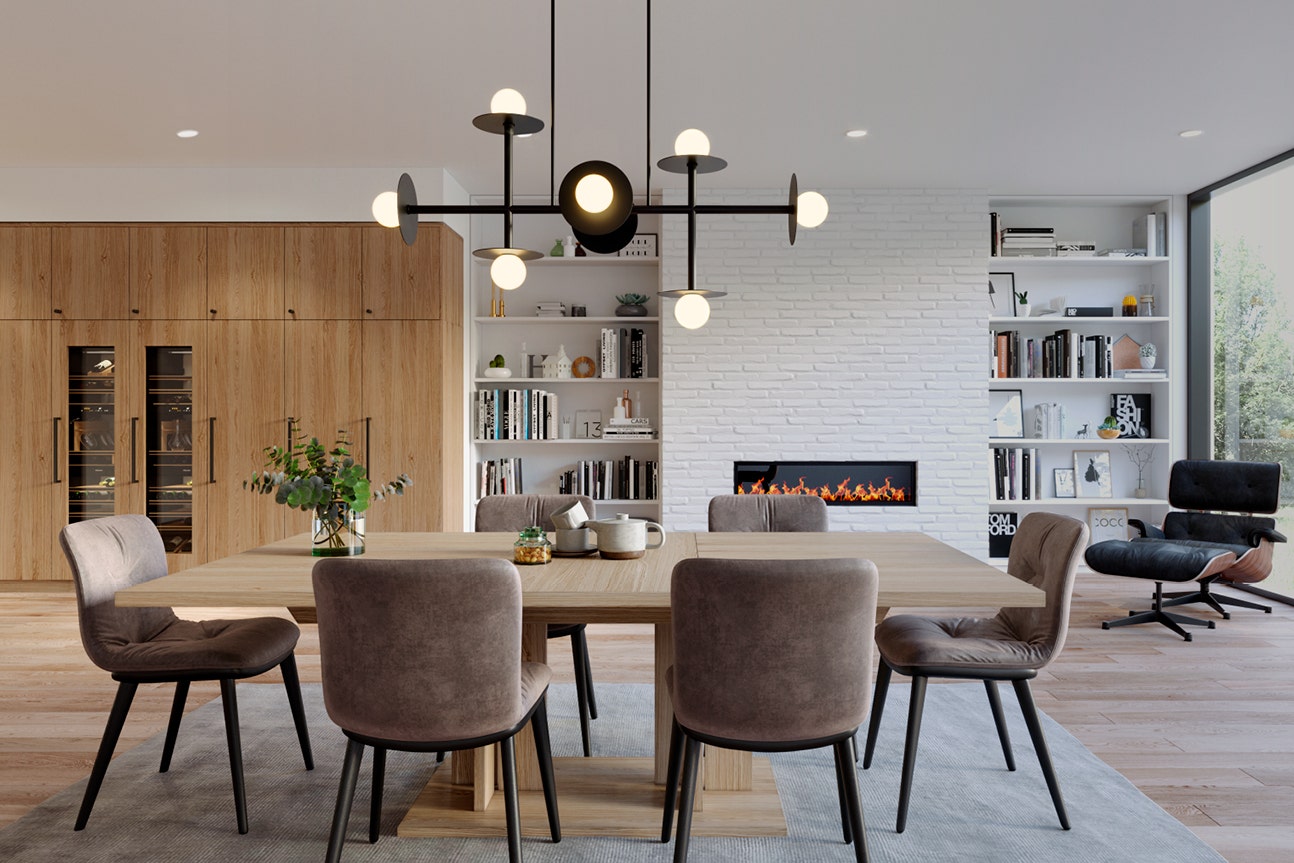
Ambient lighting is evenly distributed illumination that fills the room. It might come from sunlight or from ceiling fixtures. If your ambient lighting isn’t bright enough, you’ll be left with shadowy corners; if it’s too bright, it can disrupt your ability to relax in the space. You can create ambient light through a grid of recessed lights or a chandelier, which can also help bring a luxurious vibe to the space. Chandeliers come in many styles, sizes and finishes, so you’re sure to be able to find one that coordinates with the other interior design elements.
Task Lighting in Home Design
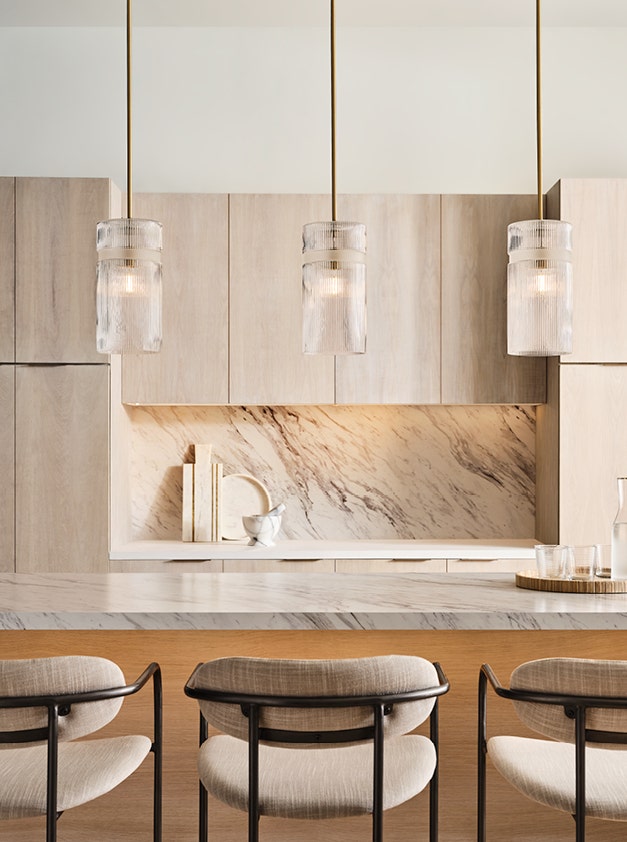
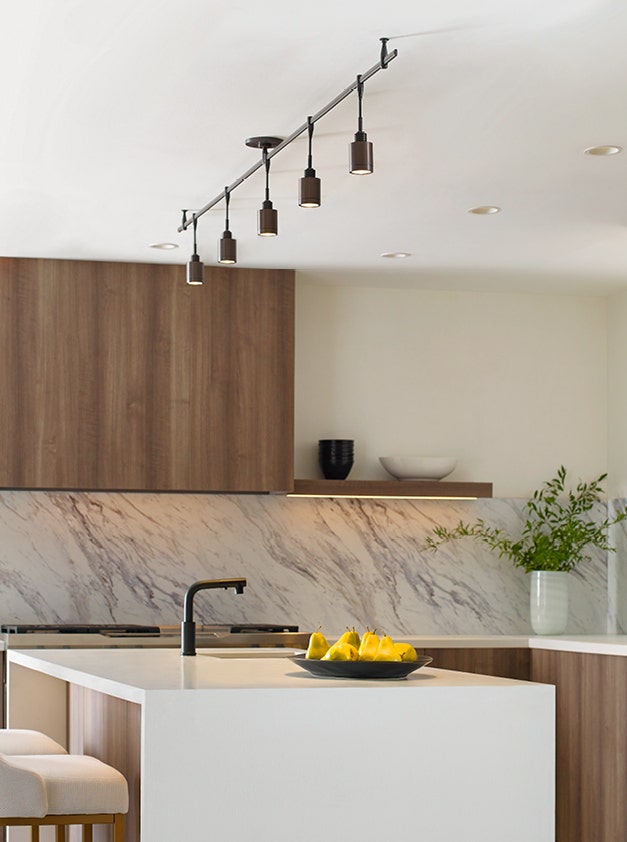
Task lighting is focused light that is needed for achieving tasks: think working from home, cooking in the kitchen or enjoying dinner at the dining room table. Pendant lights are a wonderful option as they take up less headspace than a chandelier, but come in a variety of styles, ranging from ornate fixtures to understated, modern versions. In today’s homes, you can even consider using track lights, since they don’t take up much space and can be adjusted to shine focused light wherever you need it.
Accent Lighting in Home Design
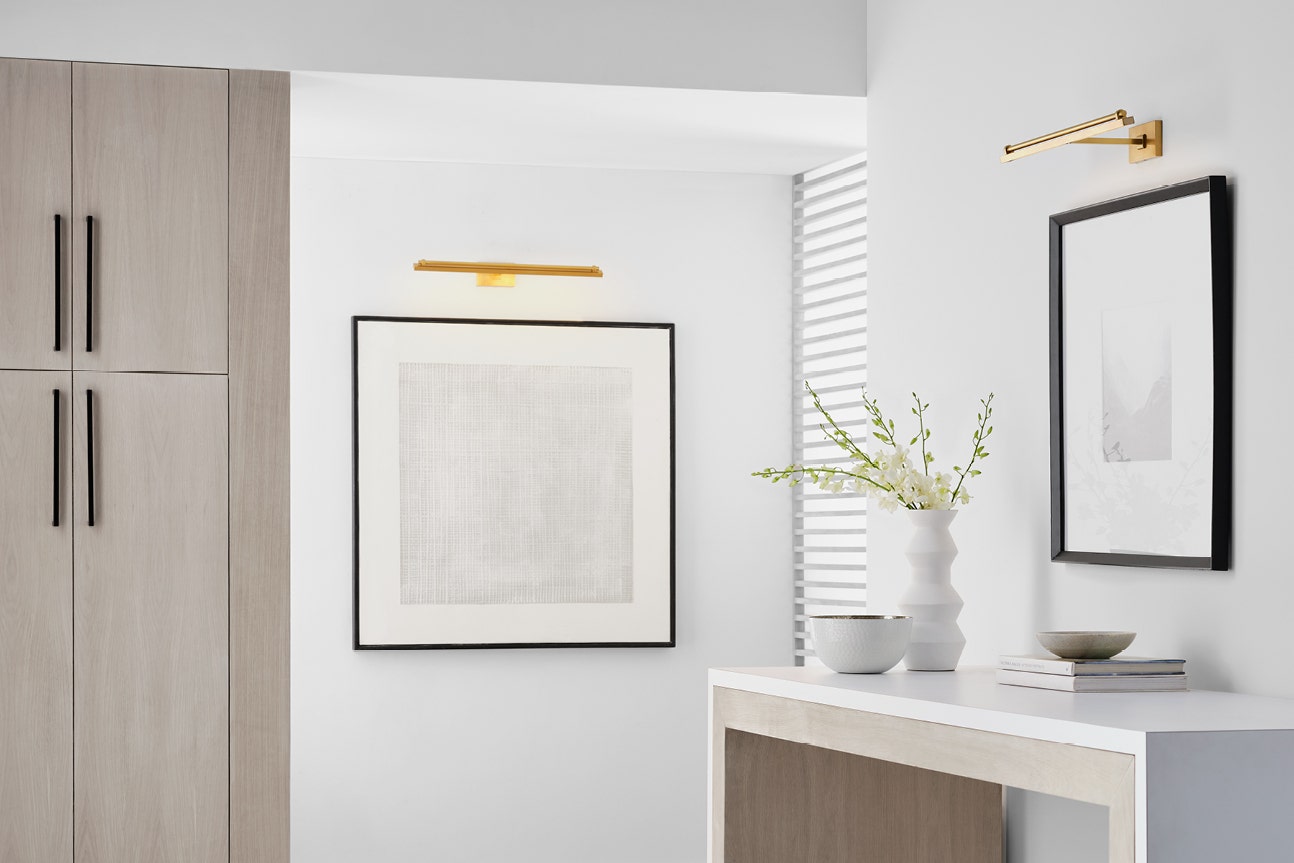
Use accent lighting to highlight special features in the room, whether it be a fireplace mantel, a beloved piece of art, bookshelves, or even interior plants. Wall sconces add a touch of elegance to any room, when installed above features that you want to accentuate. Small spotlights can also be installed on walls or ceilings, then angled to shine brightly wherever you want attention focused, such as artworks or a grand piano.
Room-by-Room Lighting Design Tips
In addition to the ambient lighting that comes from windows, recessed lighting, or a central ceiling light, each room will benefit from task and accent lighting that rounds out the picture.
Living Rooms
For most homeowners, the living room is used for many purposes, from hosting guests to staying in for a relaxing evening. Start with wall-mounted fixtures to help with the overall room brightness, while adding a bit of sophistication through the fixtures’ design. Then add floor lamps with soft shades, to bring focused light where it’s needed.
Dining Rooms
Pendant lights can be installed over your dining room table to bring enough light to see clearly, while also bringing a high design sensibility to the space. Adjustable track lights are also a good option: their adjustable heads will let you direct light onto the table.
Kitchens
In addition to ambient light to create a welcoming atmosphere, you want task lighting that will enable you to see what you’re doing when prepping a meal. Install adjustable track lights over your cooking areas, to help you slice, sautéand simmer safely. You can also improve visibility on countertops with under-cabinet lights.
Bedrooms
A bedroom should be a serene retreat, one that helps you wake up refreshed and end the day peacefully. Your bedroom ceiling could be adorned with recessed can lights, a chandelier, or a practical ceiling fan with a light. No matter which you choose, if you install a dimmer switch then you can raise or lower the level of ambient lighting to match your mood. Wall sconces will free up nightstand space while adding to the overall aesthetic through their beautiful fixtures, and table lamps will give you enough light for a late-night book, and let you turn them off without ever leaving the comfort of your bed.
Guest Bedrooms
Guest bedrooms are often smaller than the primary, but are still places of welcoming retreat for house guests. A flush mount or semi-flush mount ceiling light is a good option, along with wall sconces on either side of the bed, in addition to bedside table lamps.
Bathrooms
Start with flush mount or pendant lights that match the style of your bathroom, then add waterproof recessed lights in your shower. And for sufficient brightness to help you get ready for your day, vanity lights installed alongside your mirror will eliminate shadows so you can shave or get ready for work beautifully. As in other rooms, dimmer switches are a great option in the bathroom so you can create the right vibe for a long, relaxing bath or a quick make up touch-up.
Home offices
These spaces need a mix of ambient and task lighting that will help you stay focused throughout the work day. Use a ceiling fixture to provide overall brightness and keep eye strain to a minimum. Then add an adjustable desk lamp for bright light where you’re working, and wall sconces to provide additional light without taking up desk space.
Entryways
You want your entryway to be a welcoming space, every time someone steps foot through the front door. Since it’s a high traffic area, the lighting should be inviting but also functional, while making a great first impression. A stunning chandelier or set of pendant lights will help set the tone for visitors, as will a lovely table lamp.
Outdoor Spaces
Safe, secure and inviting. That’s what you want your outdoor spaces to be. Lights along pathways and steps will help keep feet from stumbling, while floodlights will deter intruders. But you also want your yard to be beautiful, whether it’s by creating a dramatic effect or emphasizing the beauty of your garden.
Choosing the Right Fixtures and Bulbs
As with any design element in a room, you want it to play nicely with the other components. So be sure to choose a fixture that coordinates with your architectural style, furniture and finishes. This might mean an industrial pendant for a loft space, or an opulent chandelier for classic interiors.
But believe it or not, the bulbs that you choose are also important. Light bulbs come in a range of color temperatures. The lower ranges give off warm white light, which promotes relaxation, while bright cool lighting is closer to daylight and so well suited for activity and alertness, making them popular in kitchens, bathrooms, offices and other work environments.
Benefits of Using Energy-Efficient Lighting Solutions
LED lighting is a great choice for your home as it will help cut down on your electricity bills, since it is up to 90% more energy efficient than incandescent lighting. LED bulbs also last for years rather than months, reducing the hassle of changing bulbs and the amount of waste that your home generates.
Dimmers installed on your lights are another great way to use less energy. So are motion sensors indoors: just like an outdoor floodlight will switch on when it detects motion and turn off a few minutes later, so will indoor motion lights.
Lighting Design Mistakes to Avoid
A caveat: don’t count exclusively on overhead lighting to light up your space. It’s best to have light coming from at least 2-3 sources, including sconces, spotlights, floor lamps and table lamps.
Along these same lines, be sure to have adequate task lighting where it’s required: the last thing you want in a newly designed room is not to be able to see to read, or for a knife to slip while you’re cutting vegetables.
Be certain that your fixtures are placed appropriately to keep the light in the room from looking uneven when you first enter the room. And double check that your fixtures coordinate not only with each other, but also with the overall style aesthetic of the space.
Lastly, remember dimmers! By installing these on your fixtures, you turn one light into multiple lights, with a range of brightness at your fingertips. Today’s dimmers can even be programmed to turn up or down based on the time of day or the amount of daylight that is present.
Make Your Home More Inviting with Visual Comfort
No matter what style your home is decorated in, we’ve got fixture options that will help complete the look you’re going for, as well as help make your home a happy, welcoming and warm place for family and friends alike. Explore hundreds of options at visualcomfort.com.
FAQ
What are the best types of lighting for creating a warm atmosphere?
Almost any fixture can help create an inviting atmosphere, if used judiciously and placed in a spot that will bring adequate brightness without overwhelming the ambiance. Be sure to use a soft, warm white bulb with a temperature rating of around 3,000 Kelvins.
How can I incorporate natural light into my home lighting design?
Think of daylight streaming in through your windows as a base layer of light, then supplement it with task and accent lighting to bring extra brightness where you need more light for focused work, or to spotlight artwork and architectural features.
How do I choose the right lighting fixtures for my home?
Make sure that the styles, sizes and finishes coordinate beautifully with other design elements in each room. Also, choose lighting fixtures that are well made, with materials that are designed to last.
Can smart lighting systems improve my home’s ambiance?
Absolutely! By installing integrated dimmers on timers or to respond to the amount of base light in a room, you help set the mood for bright and focused light during the day, and calm and relaxing light in the evening.