
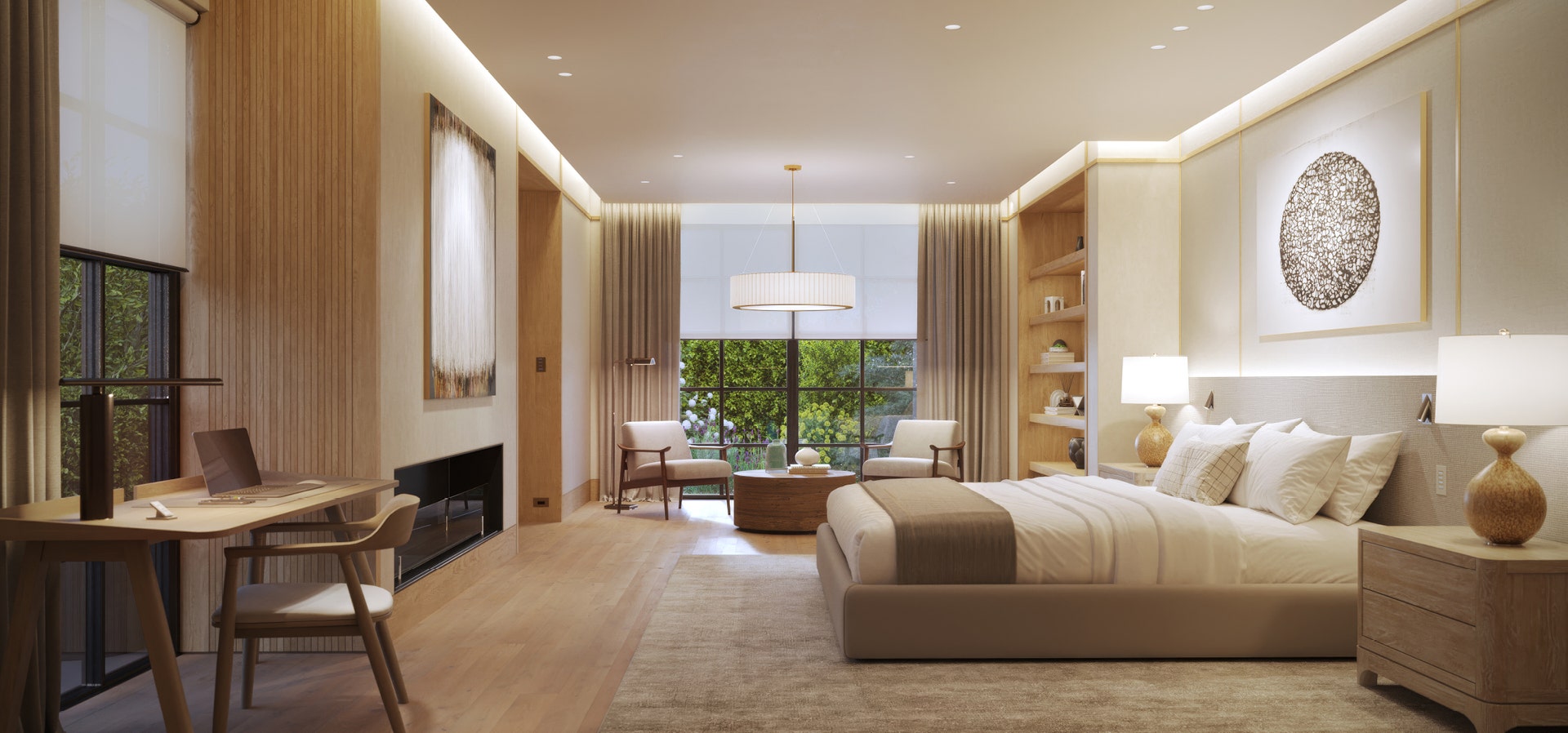
Mastering the Art of Layered Lighting in Your Home
In lighting design, layering is key to creating functional, well-balanced, and aesthetically pleasing spaces. In this guide, we’ll cover what layered lighting is, expand on its benefits, and explore how you can use it in various rooms in your home.
What Is Layered Lighting?
There are three principle layers of light.
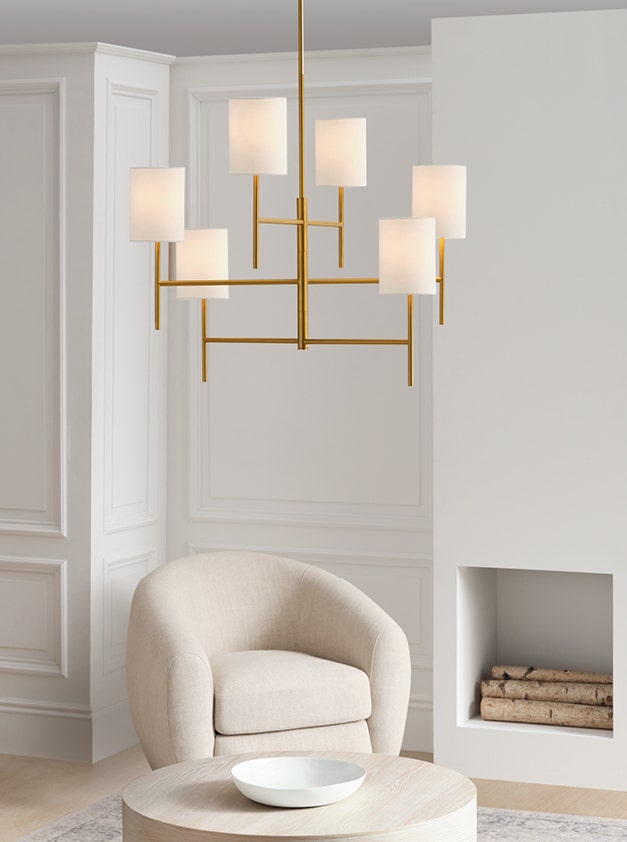
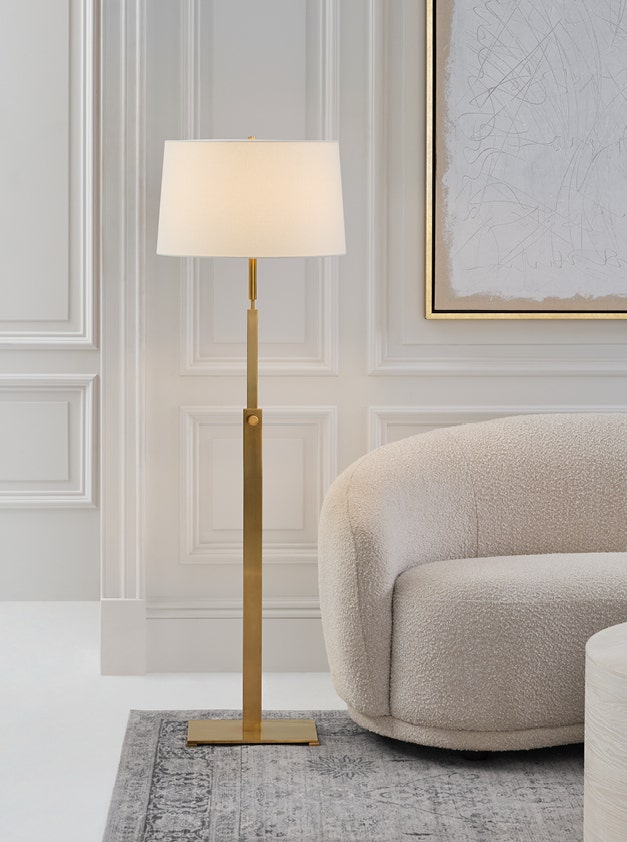
Ambient lighting provides general illumination, making an entire room visible, welcoming and easy to navigate. Chandeliers, recessed lights and floor lamps are often used to create this layer.
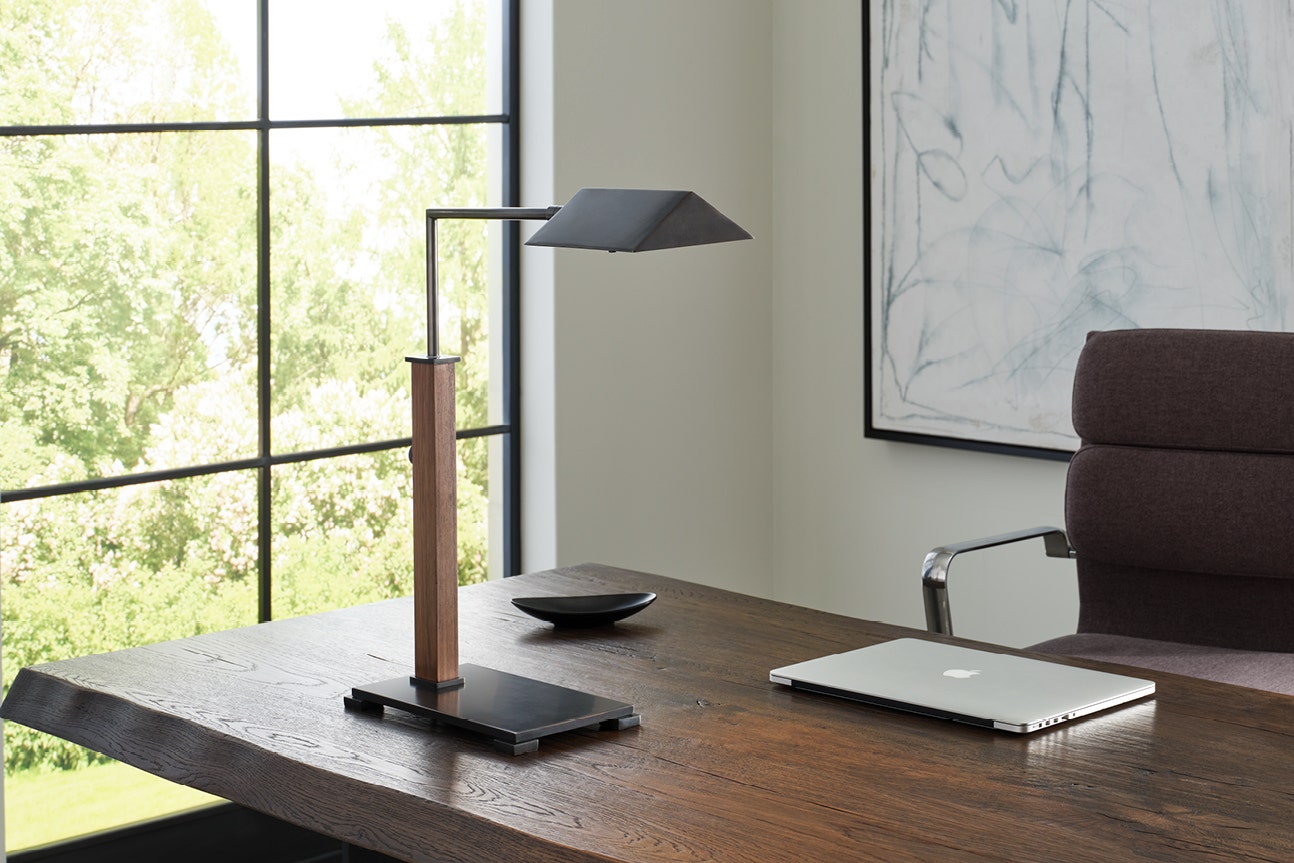
Task lighting illuminates areas dedicated to specific activities, from kitchen islands and countertops to desks, sewing stations, garage workbenches and reading nooks. Pendants, desk lamps and wall sconces often provide this layer.
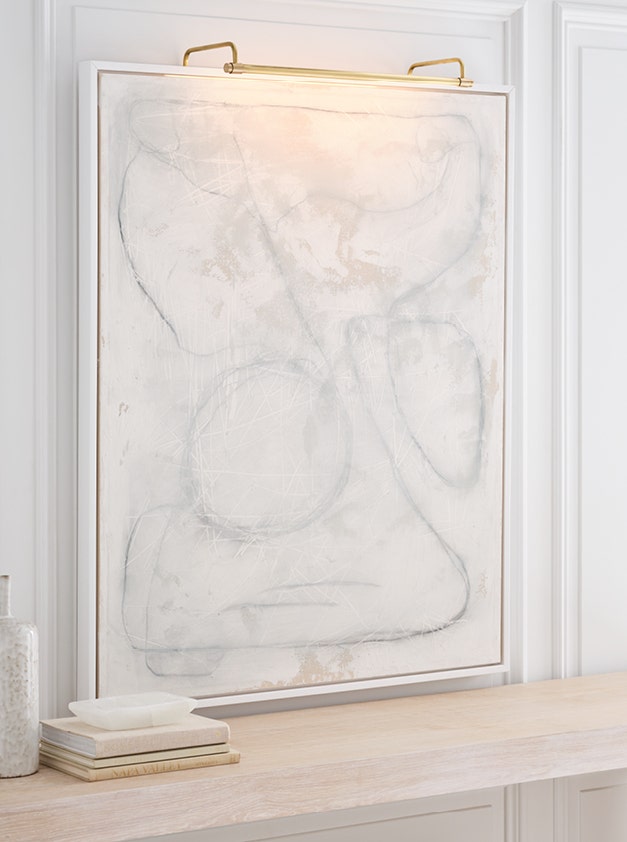
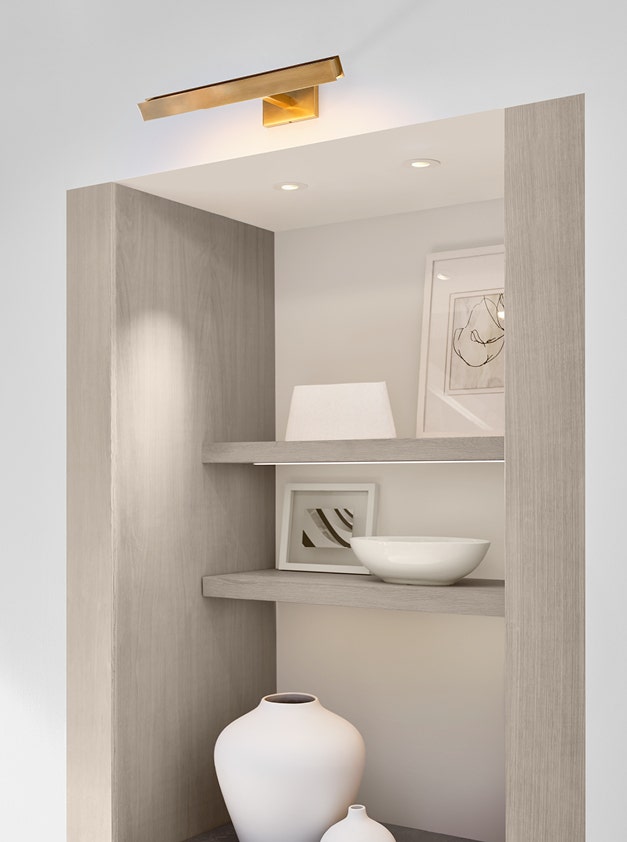
Finally, accent lighting serves to highlight areas of visual interest, such as artwork, framed photography, bookshelves, display cases and architectural features. This layer is often provided by track lighting, spotlights, picture lights and library lights.
The art of layering light is harmoniously combining ambient lighting, task lighting and accent lighting.
Benefits of Layered Lighting
1. Enhanced Versatility Fences
Layered lighting allows you to adjust the lighting to suit different activities or times of the day, making your space adaptable for everything from focused work sessions to relaxed evenings. For example, a bedroom is sometimes a dressing room that requires ample light for grooming tasks, and is sometimes a space to unwind and relax, which calls for softer and less pervasive light.
2. Improved Aesthetics
By using multiple lighting sources, you can give a room depth and dimension, defining various spaces and highlighting architectural features and design elements, such as artwork or textured walls.
3. Energy Efficiency
Using a combination of lights at different intensities can lead to more efficient energy usage. For example, some activities might only need targeted task lighting, meaning bright, all-encompassing overhead lights can be switched off. Smart lighting tech can further enhance efficiency, automatically turning certain fixtures on and off at certain times of day.
4. Increased Home Value
Well-designed lighting makes a home feel more inviting and luxurious, potentially increasing its market value. Prospective buyers often appreciate homes with thoughtful lighting plans that enhance usability and aesthetics, making layered lighting a worthwhile investment.
5. Improved Safety and Navigation
Properly layered lighting ensures that pathways, stairs, kitchens and other spaces are easy to navigate, reducing the risk of accidents. Layered lighting can also improve your home’s security, deterring intruders and making outdoor spaces safer at night.
6. Personalization and Creativity
Layered lighting means no single fixture is working alone. This frees you to express your personal style through unique fixture choices, color temperatures and lighting layouts.
7. Improved Well-being
A balanced and well-lit environment can make your home feel more comfortable and inviting, contributing to better relaxation. If your layered lighting mimics natural light cycles, it can even improve your circadian rhythm, which can positively impact sleep and overall well-being.
Example of Layered Lighting in Different Rooms
Here are some of the ways you might implement layered lighting in various rooms of your home.
Living Room
Overhead fixtures like chandeliers and recessed lighting can give your living room ample ambient lighting. Table lamps or floor lamps can illuminate areas for reading, board games, puzzles or other activities, while wall sconces or LED strip lights can highlight points of visual interest.
Kitchen
Ceiling fixtures like recessed lights or flush mounts can provide ambient lighting, while pendant lights or under-cabinet lighting can illuminate task areas like islands, countertops and sinks. Meanwhile, backlighting can be installed on open shelving to accentuate decorative items.
Bedroom
Ceiling fans with integrated lights, a smaller chandelier, or semi-flush mounts can provide ambient lighting, while bedside lamps offer task lighting for reading or working in bed. Wall sconces or LED strips can add a layer of accent lighting, helping to create a calming atmosphere.
Bathroom
While ceiling lights or flush mounts provide general illumination, vanity lights around mirrors can offer bright, focused light for grooming. Recessed lights or sconces can highlight architectural features and give the space a touch of elegance.
Walk-In Closet
A small chandelier can elevate the aesthetic while providing ambient light. Vanity lights can make dressing and grooming easier, while LED strip lights around shelves give the space an added sense of depth.
Home Office
Overhead fixtures like recessed lights or a central chandelier can provide general illumination. A desk lamp with adjustable brightness or under-cabinet lighting can offer task lighting at workstations. Picture lights can emphasize artwork, while library lights accentuate bookshelves.
Entryway
A chandelier or hanging lantern can provide ambient lighting, while spotlights accentuate artwork or architectural elements, and a table lamp makes it easy to find keys and put on or hang up coats.
Hallways
Recessed lights can make hallways easy to move through, while wall-mounted picture lights illuminate family photos, giving even this transient space texture and visual interest.
Outdoor Patio
String lights can highlight architecture and garden features, while pathway lights enhance safety, and sconces on exterior walls provide general illumination.
Choosing the Right Fixtures for Layered Lighting
Layered lighting always involves a number of fixtures, and all those design choices might seem daunting. Here are some considerations to help you narrow down your options.
Consider Size
The dimensions of the room you’re designing light for can help identify the right fixture sizes. You want your fixtures to provide the right amount of light while also matching the proportions of the space.
For example:
-
For hanging fixtures, a good starting point is to measure the room and add the length and width together. So, if the room is 8 feet wide and 10 feet long, your sum will be 18. That number, in inches, will be a proportionate diameter for a ceiling fixture in that room.
-
Vanity lights should usually be 75% to 80% of the width of the mirror they’re flanking.
-
For a pendant light over a kitchen island, look for one that’s about one-third to two-thirds the width of the island, and be sure to leaveat least 30 inches of space between the bottom of the pendant and countertop.
Keep in mind that none of those guidelines are set in stone. Personal preference should take priority.
Let One Choice Inform the Next
The light fixtures in a room should complement each other. For example, if you’ve fallen in love with a chandelier, planning to use that fixture can tell you what other light sources you’ll need, and what kind of design aesthetic they should suit. On the other hand, if you’ve inherited an antique table lamp, you can use that to guide every other choice you make in lighting that space.
Design for Every Mood and Mode
Many rooms serve more than one function. When choosing your fixtures, make sure you’re designing for all those functions. For example, your kitchen will sometimes be a busy workspace calling for ample bright light, but at other times it will be a calm space, where you enjoy long conversations with family and friends. Choose fixtures that can work together to accommodate those very different situations.
Master the Art of Layered Lighting
Visual Comfort & Co. offers a wide variety of fixture types and styles, empowering you to create the exact lighting atmosphere you want in each room of your home. Find the perfect fixtures for you right here.