
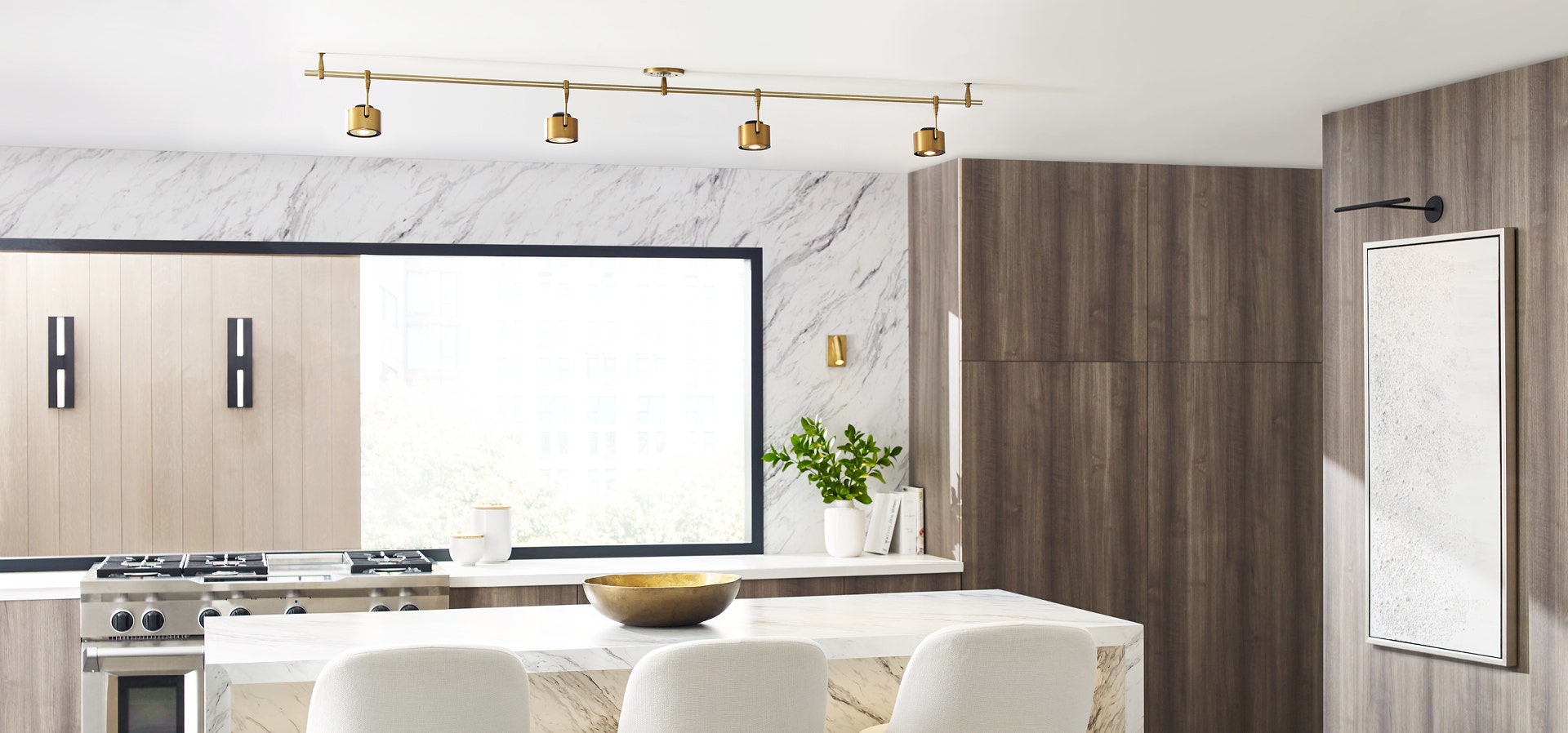
Kitchen Task Lighting: Tips for a More Productive Spaces
In most homes, more work gets done in the kitchen than in any other room. From frying eggs, slicing veggies and making sandwiches to baking pies, brewing coffee and cleaning it all up afterward, the kitchen is a central hub for focused tasks.
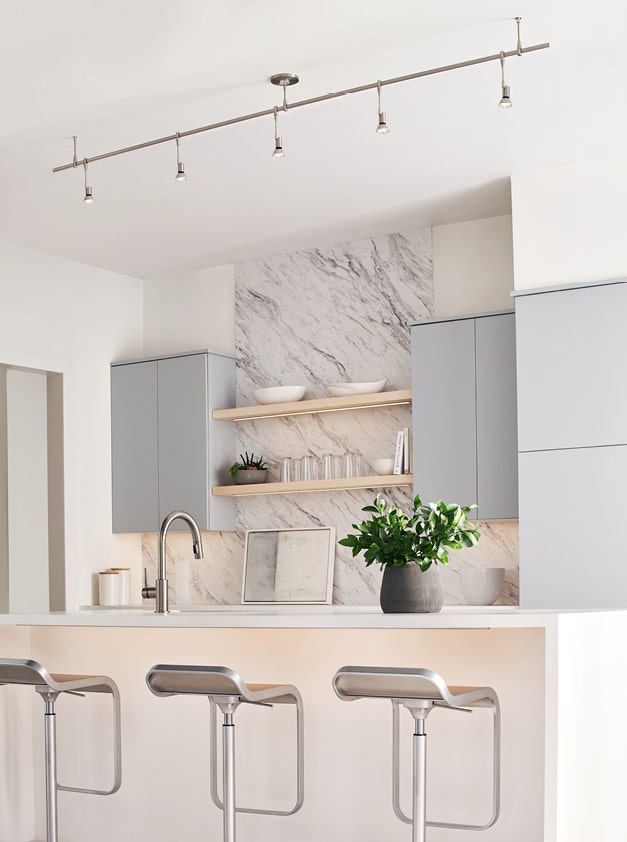
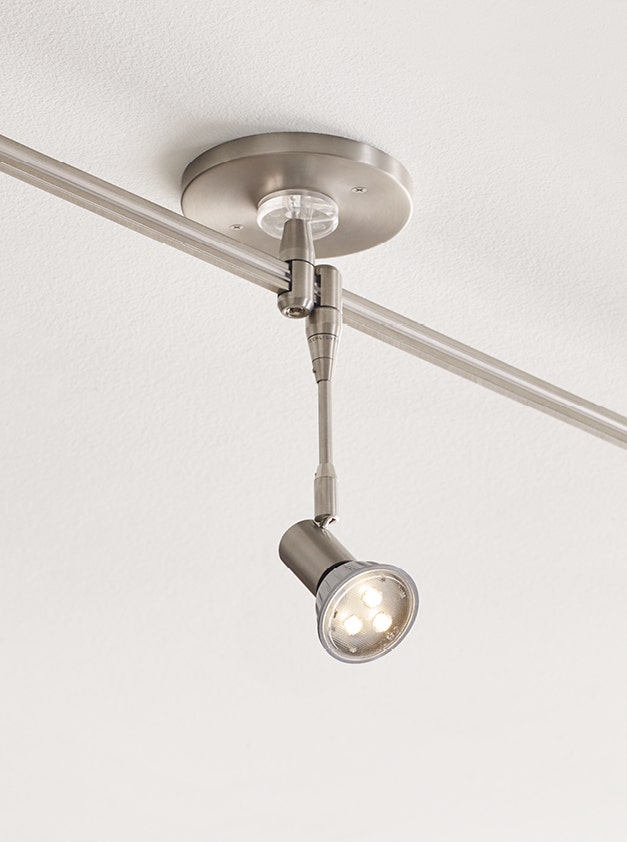
Making your kitchen conducive to that wide array of tasks requires good lighting design. Specifically, it requires excellent task lighting. Read on for designer tips for using light to make your kitchen a more productive space.
What is Task Lighting?
In interior design, there are three principle layers of light. Ambient lighting provides general illumination, making the entire space visible and easy to navigate. Accent lighting highlights points of visual interest, like artwork, framed photography, display shelves and architectural features.
Task lighting, on the other hand, illuminates areas dedicated to certain activities. In the kitchen, those areas include kitchen islands, countertops, stove tops and sinks. Well-designed task lighting in those areas makes cooking, meal preparation and cleaning tasks safer and more efficient. It can even prevent headaches by reducing glare and shadows, which prevents eye strain as you work.
Types of Kitchen Task Lighting
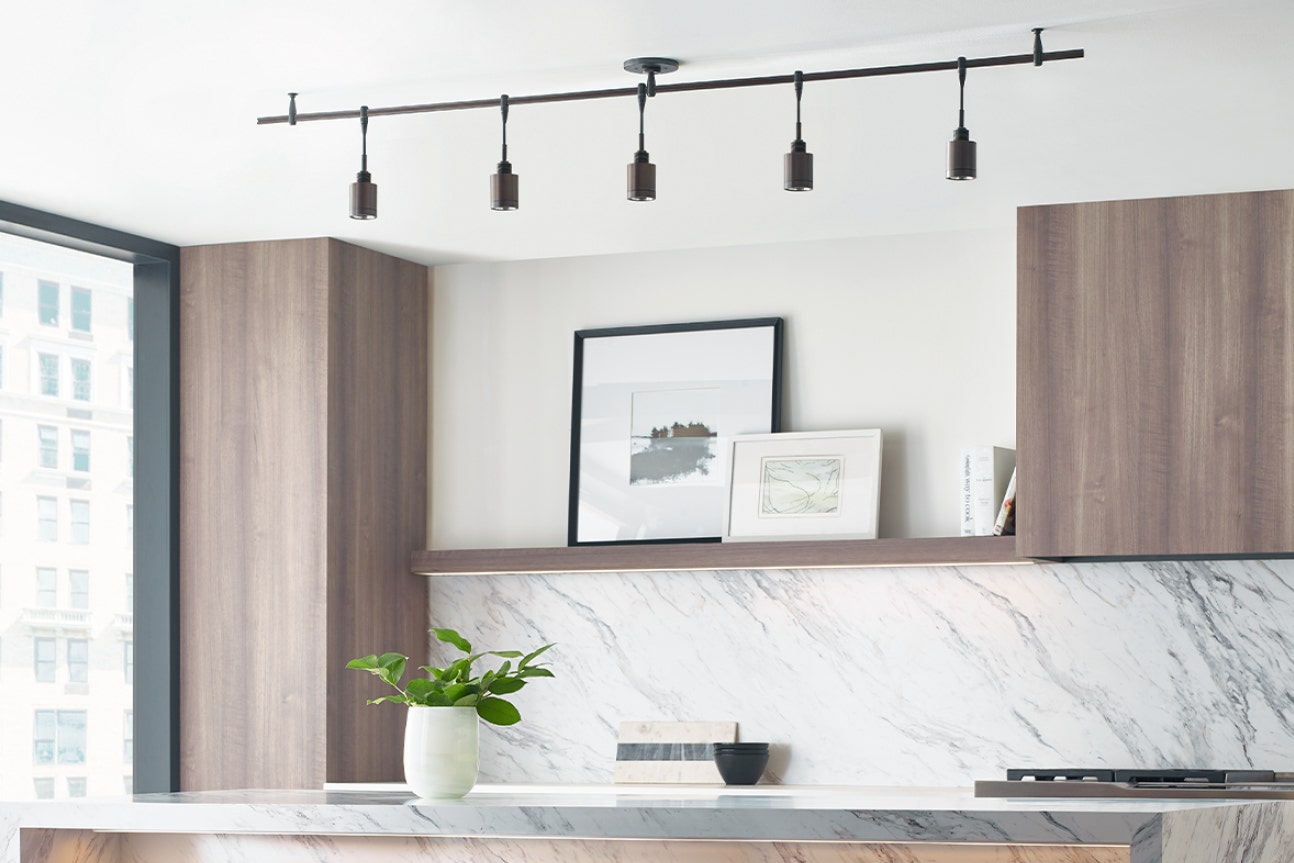
There’s a wide range of task lighting types to choose from. For example:
- Under-cabinet lighting provided by LED strips or puck lights can cast focused light onto countertops.
- Pendant lights, which hang from the ceiling and feature a single light source, can be placed over islands and countertops. They also serve as focal points and decorative elements.
- Flush mount and semi-flush mounts can do the work of pendants in kitchens with lower ceilings.
- Recessed lights, which are installed in recesses in the ceiling, can provide supplemental task lighting without taking up space.
- Wall-mounted lights, such as swing arm lamps and sconces, are excellent for illuminating stove tops and sinks.
Choosing Task Lighting Fixture Styles
While your task lighting fixtures should serve their purpose of providing ample focused light in task areas, they should also suit the decor style of your kitchen. For example:
- For a modern kitchen, consider linear LED light bars and pendant lights with clear glass shades.
- For a traditional kitchen, consider antique brass wall sconces and chandelier-style pendants with multi-arm designs.
- For a rustic or farmhouse style, opt for mason jar pendant lights and industrial pipe lighting.
- For an industrial kitchen, consider cage or metal dome pendants and industrial track lighting.
- For a bohemian style, consider rattan pendant lights or a colorful beaded chandelier over the kitchen table or island.
- For a mid-century modern kitchen, consider a sputnik chandelier and teardrop pendant lights.
- For a Scandinavian kitchen, opt for minimalist metal pendants and wooden dome lights.
- For eclectic style, consider stained glass pendant lights and Moroccan lanterns.
- For a coastal style, consider a shell chandelier and rope-wrapped pendant lights.
- For a minimalist kitchen, consider slim linear LED pendants and hanging Edison bulb fixtures.
Naturally, these are only ideas meant for inspiration. Whatever fixtures you choose, make sure they suit your preferences and aesthetic sensibilities.
Designer Tips for Task Lighting
Take Ideas From Other Kitchens
There’s no shortage of kitchens with well-designed task lighting that can serve as inspiration. Browse beautiful kitchens online and take note of the kind of task lighting fixtures they use and how they’re positioned. Visit the kitchens of friends and family, notice their task lighting and discuss how they like it and what they might change. You can even peek into restaurant kitchens to observe how they handle task lighting.
Avoid Glare and Shadows
This involves careful planning and positioning of light fixtures to ensure an even distribution of light across your work surfaces. One effective strategy is to use under-cabinet lighting, which provides direct illumination on countertops, minimizing shadows that overhead lights can cast.
Additionally, choosing fixtures with diffusers or frosted covers can help soften the light and reduce glare, while the use of dimmers allows you to adjust the brightness according to your needs, preventing excessive harshness.
It's also essential to position lighting at a suitable angle and height. Placing lights too high can create shadows on work surfaces, while positioning them too low can result in glare. Finding that placement sweet spot depends on the height of the people who will usually be using those spaces.
Layer Light
Your kitchen’s task lighting should be layered with ambient and accent lighting to create a balanced illumination scheme, avoiding harsh contrasts and creating a more comfortable environment. This is achieved by combining various types of light sources, from pendants and recessed lights to track lights and wall sconces.
Use Natural Light
When it comes to promoting well-being, giving kitchens a spacious feeling and making food and decor look its best, there’s no competing with daylight. If you’re able, consider placing windows, glass doors or skylights in your kitchen to enhance natural light flow. Windows on east or south-facing walls will capture the most sunlight during the day.
Using light-colored paint on walls and ceilings can help reflect natural light, while choosing glossy or metallic finishes for countertops, cabinets and backsplashes will further distribute daylight across the room. You can also use mirrors or glass-front cabinets to amplify daylight.
Keep in mind you might also want to install blinds or curtains to help you control the lighting atmosphere of your kitchen and to reduce heat during warmer months.
Select the Right Color Temperature
Kelvin (K) is a unit of measurement used to describe the color temperature of light, indicating whether a light source emits a warm, neutral or cool light. Lights with lower temperatures (around 2700K) produce warm, yellowish tones, while those with higher temperatures (around 5000K) emit cooler, bluish light.
For kitchens, it’s typically best to opt for bulbs with a temperature between 3000K and 4000K, which provides a neutral white light that provides effective task lighting without being too harsh.
Design for Efficiency
To save on energy and maintenance costs and reduce your carbon footprint, consider using LED bulbs, which use considerably less energy and last much longer than traditional incandescent bulbs.
Dimmers and dimmable fixtures can also increase your kitchen’s energy efficiency while making the space more versatile, allowing you to intensify light when it’s time to cook or clean and to soften the ambiance when it’s time to unwind.
Smart lighting tech can also help with efficiency, allowing you to control your lighting remotely, and to program lights to go on and off at certain times of day.
Yet another efficiency measure is motion sensors for under-cabinet lights so that they automatically turn on when someone enters the kitchen and turn off after a set amount of time.
Minimize Maintenance
Keep in mind that kitchen lighting fixtures tend to accumulate grease and dust more than in other rooms. To minimize maintenance, consider fixtures with simpler, easy-to-clean designs and features like glass shades that can be removed and washed.
Test and Adjust Your Lighting Scheme
Once you’ve installed your task lighting fixtures, take note of the lighting at different times of the day to ensure it meets your needs and aesthetic preferences. Adjust angles, brightness and positions as needed to achieve the exact lighting scheme you want.
Design Your Ideal Task Lighting Scheme
The ultimate goal of task lighting in your kitchen is to help you enjoy using the space as much as possible. Visual Comfort & Co. offers a wide range of task lighting fixtures, including an extensive variety of styles and designs to suit any decor. Explore the possibilities here.